
In today’s fast-paced commercial environment, businesses must prioritize efficiency and comfort. An HVLS (High Volume Low Speed) fan offers a unique solution that combines large-scale air circulation with energy efficiency. Reports indicate that implementing HVLS Fans can save companies up to 30% in energy costs compared to traditional fans. This significantly lowers operational expenses and enhances the overall working environment.
HVLS fans are designed to move large volumes of air at low speeds. This creates a gentle, cooling breeze without the disruptive noise often associated with industrial fans. According to studies, businesses utilizing HVLS fans can experience improved employee productivity by up to 25%. Comfortable working conditions foster better focus and morale.
Moreover, these fans contribute to better temperature control. In large spaces like warehouses and manufacturing plants, maintaining a stable climate is crucial. HVLS fans help distribute air evenly, reducing hotspots and improving air quality. With these advantages, it’s clear that investing in HVLS fans represents a strategic approach for businesses looking to enhance their operations.
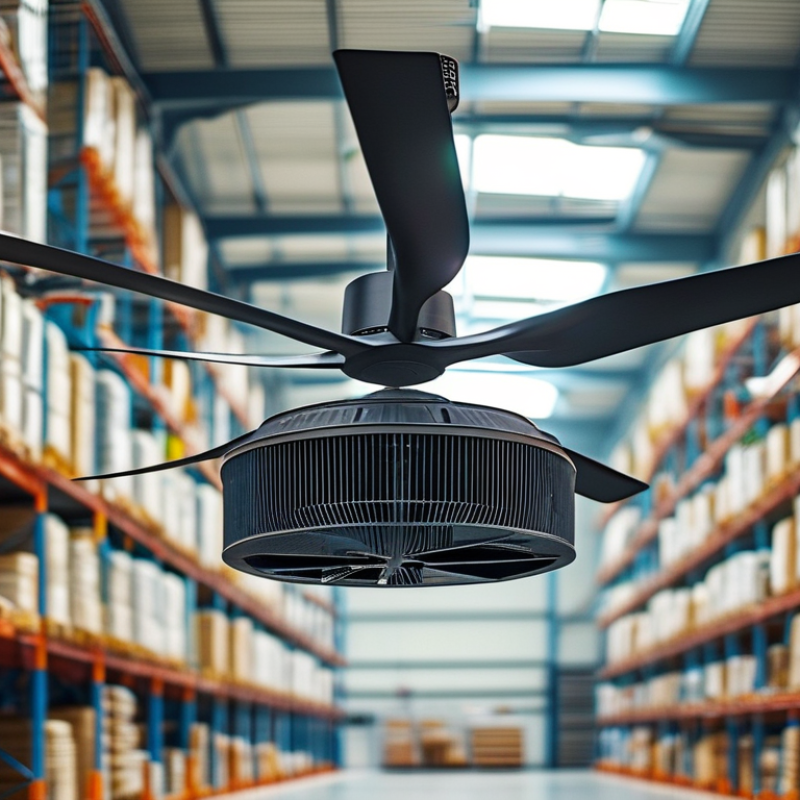
High-volume, low-speed (HVLS) fans are becoming essential for many businesses. These fans function by circulating large volumes of air at low speeds. This creates a comfortable environment without the noise of traditional high-speed fans. They are particularly useful in large spaces like warehouses and manufacturing plants. Their design allows for energy-efficient cooling, reducing electricity costs.
Businesses benefit from HVLS fans by improving air circulation. Enhanced airflow helps regulate temperature and humidity levels. Workers feel more comfortable and productive. A well-ventilated environment can also prevent mold growth and reduce the risk of respiratory issues. This, in turn, contributes to a healthier workplace.
However, some companies may overlook the importance of proper installation and maintenance. Poorly placed fans can create uneven air distribution. This impacts employee comfort and may even lead to higher energy costs. Investing in professional guidance for fan placement ensures maximum efficiency. Continuous monitoring of fan performance can highlight areas for improvement, aiding businesses in making informed decisions.
HVLS (High Volume, Low Speed) fans play a crucial role in improving air circulation in various environments. These fans are designed to move a large volume of air at low speeds, resulting in significant energy savings and improved comfort levels. In spaces like warehouses and gymnasiums, the airflow generated by HVLS fans can drastically change the indoor climate.
Proper air circulation helps prevent stagnant air and reduces humidity buildup. This can enhance comfort for employees and customers alike. A comfortable environment leads to increased productivity. Moreover, consistent airflow can help maintain even temperatures across large areas. Without effective circulation, some areas may feel too hot or too cold, causing discomfort and distraction.
When installing HVLS fans, it's essential to consider their placement and size. Not all facilities will benefit equally from these fans. Testing and adjusting their positions may be required for optimal results. It's a process that demands reflection and fine-tuning, emphasizing the importance of understanding your specific space and needs. Balancing airflow can enhance both productivity and overall satisfaction in commercial settings.
Energy efficiency is a major concern for businesses today. HVLS (High-Volume Low-Speed) fans provide an excellent solution. These fans can significantly reduce energy costs in commercial spaces. By circulating air effectively, they create a comfortable environment while using less energy than traditional fans or HVAC systems.
Installing HVLS fans can lower cooling costs by allowing thermostat settings to rise during warmer months. This reduces strain on air conditioning systems. The result? Lower energy bills and a smaller carbon footprint. With larger blades, these fans move more air at a lower speed, promoting even temperature distribution. This means fewer wasted resources and improved comfort for employees or customers.
Tips for maximizing energy efficiency include strategic fan placement. Position them to achieve optimal airflow throughout the space. Routine maintenance is also crucial. Clean the blades regularly to maintain effectiveness. Consider using fans in conjunction with existing heating or cooling systems for the best results. The goal is to cultivate a comfortable environment while keeping costs down. Remember, every small adjustment can lead to significant savings in the long run.
Ensuring employee comfort is critical in enhancing productivity. HVLS (High-Volume, Low-Speed) fans provide an effective solution to improve airflow in large spaces. A recent study from the American Society of Heating, Refrigerating, and Air-Conditioning Engineers (ASHRAE) revealed that optimal thermal comfort can increase productivity by as much as 10%. This finding highlights the importance of maintaining a consistent, comfortable environment for employees.
HVLS fans create a gentle, consistent airflow that helps regulate temperature. This is particularly effective in warehouses or manufacturing plants, where hot air tends to accumulate. A report from the U.S. Department of Energy shows that using HVLS fans can lead to energy savings of up to 30% in cooling costs. Such savings contribute to a more sustainable business model while ensuring employees work in an enjoyable atmosphere.
Yet, not all businesses recognize the impact of air quality on performance. Ignoring airflow can result in fatigue and decreased motivation among workers. It is essential to evaluate current conditions and consider the benefits of effective ventilation systems like HVLS fans. Creating an environment that promotes comfort may require investment, but the potential return in productivity makes it a worthwhile contemplation.
High-volume low-speed (HVLS) fans offer substantial benefits beyond merely cooling spaces. One significant advantage is their ability to reduce humidity levels effectively. Research shows that proper air circulation can lower humidity by as much as 50%. This is crucial for industries like agriculture and food storage, where moisture control is vital to prevent spoilage and maintain quality.
Furthermore, HVLS fans help in odor control. Stagnant air can lead to unpleasant smells, especially in warehouses or manufacturing units. According to the Environmental Protection Agency (EPA), maintaining proper ventilation can reduce odor complaints by 30%. By enhancing airflow, HVLS fans disperse potential odor sources, contributing to a more pleasant working environment.
In spaces that require clean air, such as hospitals and laboratories, the role of HVLS fans is particularly noteworthy. Their quiet operation and effectiveness in air movement lessen the reliance on air conditioning systems. This could lead to lower energy costs. While they are not a one-size-fits-all solution, incorporating them into your business strategy may yield considerable benefits. Consider the potential downsides too. Not all spaces may see the same efficiency gains.
Thank you for reaching out.
Your message has been received, and a member of the Bluestem Energy Solutions team will be in touch soon. We appreciate your interest and look forward to connecting.
