How to Choose the Best Network Cabinet for Your Needs?
Choosing the best Network Cabinet is crucial for efficient data management. In recent years, the global market for network cabinets has expanded significantly, driven by the growing demand for structured cabling solutions. According to a report by Market Research Future, the network cabinet market is expected to reach over $1.3 billion by 2027, showing a notable compound annual growth rate (CAGR) of around 6.5%. These cabinets are essential for housing networking equipment and ensuring optimal airflow for cooling.
When selecting a network cabinet, consider your specific requirements. Factors such as size, heat management, and accessibility play a vital role. A standard 42U cabinet is popular due to its capacity for significant hardware. However, you might find that an oversized cabinet can lead to wasted space, while an undersized one can restrict growth. Professionals often overlook this balance, leading to inefficiency in operations.
Furthermore, the right configuration offers improved cable management. Effective organization reduces clutter and enhances airflow, preventing overheating. Every detail counts when it comes to performance, making the selection process a blend of careful consideration and technical insight. Prioritizing your unique needs will lead to a more tailored solution. Remember, an informed choice today can impact your network’s efficiency for years to come.
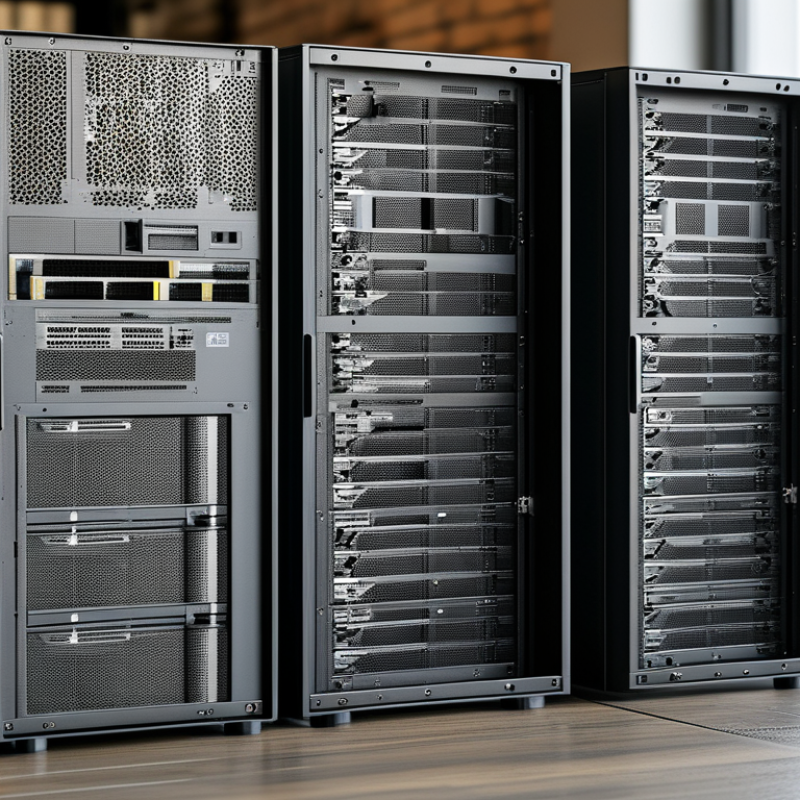
Understanding Your Network Requirements
When selecting a network cabinet, understanding your network requirements is crucial. Consider the amount of equipment you will house. For a small office, a 12U or 16U cabinet might suffice. Larger operations may demand more space. Assess the dimensions and weight of your devices. It’s not just about fitting them in; there’s airflow and heat management to think about.
Think about future expansion. Will you add more servers or switches later? A cabinet with extra space or adjustable shelves can save you headaches down the line. Another factor to consider is cable management. Cluttered cables can hinder airflow and cause overheating. Look for cabinets with built-in features to organize your cables effectively.
Reflect on your specific needs. Do you require security locks? How about ventilation? Having a clear picture of your requirements will guide you to a suitable choice. Reliability matters. A sturdy cabinet protects your equipment. Don’t be swayed by the cheapest option; quality makes a difference. Take time to evaluate what truly fits your unique setup.
Types of Network Cabinets Available
When choosing a network cabinet, understanding the types available is essential. Network cabinets come in various designs, each serving different needs. The most common types include wall-mounted cabinets, floor-standing cabinets, and server racks. Wall-mounted cabinets are ideal for smaller spaces, helping maximize room usage. They typically hold essential networking equipment securely and neatly. On the other hand, floor-standing cabinets offer more space and typically accommodate larger setups. Server racks are designed for high-density installations, providing excellent ventilation and easy access.
When selecting a cabinet, consider your equipment size. Measure your devices beforehand. Ensuring a good fit will prevent overheating and connection issues.
Another important factor is ventilation. A cabinet with proper airflow helps prolong the life of your equipment. Ensure it has enough fans and openings. Regularly check to avoid dust accumulation.
Space is another consideration. Do you have a designated area? The room size may limit your options. Always remember that fitting more equipment can lead to clutter. Prioritize organization for better maintenance. Being aware of these details can help you find the right network cabinet.
Factors to Consider When Choosing a Network Cabinet
Choosing a network cabinet is a critical decision for any organization. When selecting the right cabinet, consider several factors. Size is crucial. Measure your equipment and ensure that the cabinet can accommodate it. Allow extra space for ventilation. Overcrowded equipment can lead to overheating and failures.
Another important aspect is the cabinet's design. Think about how you'll access your equipment. Adjustable shelves can provide flexibility. Doors and side panels should allow for easy access and maintenance. Look for features like cable management options, which can help reduce clutter.
Material quality also plays a role. A sturdy cabinet will last longer and protect your equipment better. If you are in a humid environment, corrosion-resistant materials are essential. Consider the overall weight as well. Some cabinets may look sturdy but cannot support heavy equipment. Balancing aesthetics with functionality is key. A well-designed cabinet can enhance your workspace while ensuring it serves its purpose effectively.
How to Choose the Best Network Cabinet for Your Needs? - Factors to Consider When Choosing a Network Cabinet
| Factors | Description | Importance Level |
| Size | Ensure sufficient space for equipment and future expansions. | High |
| Cooling | Proper ventilation to prevent overheating of devices. | High |
| Material | Durability and protection against physical damage. | Medium |
| Security | Locking mechanisms to prevent unauthorized access. | High |
| Accessibility | Ease of access for maintenance and management. | Medium |
| Cable Management | Efficient organization of cables for better airflow and neatness. | Medium |
| Weight Rating | Ensure the cabinet can support the weight of your equipment. | High |
| Price | Balance between budget constraints and quality requirements. | Medium |
Assessing Space and Accessibility Needs
When selecting a network cabinet, space and accessibility are crucial factors to consider. Assess how much room you have available for installation. Measure your floor space and wall height. You don't want a cabinet that overwhelms your area or restricts movement. A compact design can help maximize efficiency without sacrificing accessibility.
Accessibility is not just about how easy it is to reach your equipment. Think about how often maintenance or upgrades are needed. If devices are hard to access, it can slow down response times and increase downtime. Make sure there are enough entry points. This offers flexibility when working with cables and devices. Also, consider airflow; good ventilation is essential to maintain optimal temperatures.
A network cabinet shouldn't just fit into your space; it should enhance functionality. Consider your future needs too. Will you be expanding? Having room for growth is essential. Reflect on whether the current layout meets your evolving demands. Balancing space, accessibility, and future-proofing is key for efficient network management.
Evaluating Security Features and Cooling Options
When selecting a network cabinet, security features and cooling options are crucial. Network cabinets often house sensitive equipment. Therefore, choosing a cabinet with robust security measures protects against unauthorized access. Look for features like lockable doors and side panels. Reinforced frames can add another layer of protection.
Cooling options are equally important. Overheating can lead to equipment failure. Opt for cabinets with adequate ventilation. Some models come with built-in fans, while others allow for external cooling systems. Ensuring proper airflow is essential for maintaining optimal temperature levels. Evaluate the cabinet's design. Airflow pathways should be unobstructed to maximize cooling efficiency.
Tips for better cooling include organizing cables neatly. This promotes airflow and prevents heat buildup. Regularly check the temperature inside the cabinet. If it exceeds recommended levels, reassess your cooling strategy. Additionally, consider adding sensors to monitor temperature continuously. This proactive approach ensures your equipment remains in the best condition.