2026 Top Trends in Solar Power in Illinois What to Expect?

As we look towards 2026, solar power in Illinois is set to transform the energy landscape. This state has embraced solar energy as a vital solution for a sustainable future. With increasing investments and advancements, numerous trends are emerging in this sector.

Solar installations are rising rapidly across urban and rural areas. Homeowners are opting for solar panels not just for environmental reasons but also for financial benefits. The state government is supporting this shift by offering incentives and rebates. However, challenges remain. Access to technology and high initial costs can block smaller communities from participating.

Moreover, the solar power in Illinois faces regulatory hurdles that may slow growth. Awareness of renewable energy's potential needs to improve. As Illinois continues to evolve, focusing on innovative methods to enhance solar adoption is crucial. The upcoming trends are not only about technology; they also involve community engagement and education. Embracing this evolution will be essential for a greener tomorrow.
2026 Top Trends in Solar Power in Illinois What to Expect?

Emerging Technologies in Solar Power for Illinois by 2026

Emerging technologies in solar power for Illinois are set to transform the landscape by 2026. Innovative approaches will optimize energy production and enhance efficiency. Solar cells that utilize advanced materials, such as perovskite, will become more prominent. These cells offer higher efficiency rates at reduced costs. They could revolutionize the rooftop solar market in urban areas.

Another exciting trend is the integration of artificial intelligence in solar systems. AI can predict energy production and manage usage better than ever before. Smart grids will leverage this technology to balance supply and demand. This could lead to reduced energy waste and improved grid stability. However, reliance on technology may also raise concerns about security and data privacy.

Energy storage solutions will advance with battery technologies. New batteries will provide longer-lasting and more efficient storage options. This is essential for balancing intermittent solar energy generation. Still, challenges remain, such as battery recycling and environmental impacts. Finding sustainable solutions is crucial as Illinois embraces these emerging technologies in solar power.

Policy Changes Impacting Solar Energy Adoption in Illinois

The landscape of solar energy in Illinois is evolving, driven largely by policy changes. Recent legislation emphasizes renewable energy investment, aiming for 25% of the state's energy to come from renewable sources by 2026. This ambitious target highlights the increasing importance of solar power in the state’s energy mix.

According to the Solar Energy Industries Association (SEIA), Illinois ranked fifth in the nation for solar capacity growth in 2020. Policies such as the Adjustable Block Program have created incentives for both residential and utility-scale solar projects. However, challenges remain. Access to financing and regulatory hurdles can delay project implementation. Furthermore, the recent shifts in state funding could affect solar subsidies, leading to uncertainty for potential adopters.

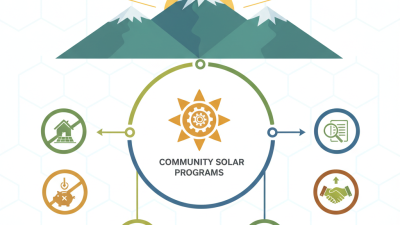
Community solar programs are gaining traction as they provide access to solar energy for underserved populations. These initiatives reflect a commitment to energy equity. Yet, market volatility and policy misalignment can undermine progress. Many stakeholders are pushing for clearer guidelines and stable funding sources to enhance solar energy adoption further. Balancing policy and market dynamics will be critical as Illinois strives toward its solar energy goals.

Economic Factors Driving Solar Power Innovations in Illinois

The rise of solar power in Illinois is driven by various economic factors. One key aspect is the declining cost of solar technology. As efficiencies improve, more homeowners can afford to install solar panels. This trend lowers energy bills and supports local economies. A growing number of installations can also create jobs in construction and maintenance.

Government incentives play a significant role as well. Illinois offers tax credits and grants for solar initiatives. This encourages businesses and residents to invest in renewable energy. However, the application process can be complex and overwhelming for some. Despite incentives, not all communities benefit equally from these programs.

Moreover, the energy market is evolving. With more utility companies aiming for renewable goals, competition increases. This could mean better pricing and services for consumers. Still, the transition poses challenges. Some residents remain skeptical about solar reliability. They may question long-term savings. Trust must be built through education and community engagement. The focus should be on accessible information.

Consumer Behavior Trends in Residential Solar Installations

Consumer behavior in residential solar installations is changing rapidly in Illinois. Homeowners are becoming more informed and engaged in the solar market. They now seek greater transparency from installers. Many want detailed pricing and performance data. This shift influences how companies present their offerings.

A significant trend is the demand for community solar programs. These initiatives allow homeowners to share access to solar energy without roof installations. It appeals to those with shaded roofs or renting. However, understanding benefits can be complex. Not every consumer grasps the intricacies of community engagement and benefits.

Moreover, the importance of online reviews cannot be overstated. Homeowners often rely on user-generated content to assess installers. Positive testimonials can sway decisions significantly. Yet, transparency around feedback is essential. Unscrupulous practices, like fake reviews, can lead to distrust. Overall, as Illinois moves towards embracing solar energy, consumer education will remain critical.

2026 Top Trends in Solar Power in Illinois

This chart illustrates the projected trends in residential solar installations in Illinois for 2026. The data showcases expected increases in consumer interest across various factors influencing solar power adoption.

Environmental Considerations Shaping Solar Power Developments in Illinois

The evolution of solar power in Illinois is closely intertwined with environmental considerations. As local communities push for sustainability, solar initiatives have gained momentum. Illinois aims to achieve 100% clean energy by 2050. The transition to solar power is an essential part of this goal. According to a recent study, solar energy could comprise up to 40% of the state’s energy mix by 2030. This ambitious target drives investments and innovation in the sector.

Water use is a key factor influencing solar projects. Traditional energy sources often consume significant water resources. In contrast, solar farms require minimal water for operations. This reduction in water dependency is increasingly appealing amid Illinois' varying climate patterns. A 2021 report indicated that solar installations engage over 20% less water compared to fossil fuel systems. However, this does not mean solar is without its challenges. Land use conflicts arise, particularly when agricultural lands are targeted for solar farms.

Pollinator habitats are another critical concern. Many solar projects are finding ways to integrate native vegetation, supporting local ecosystems. According to the National Renewable Energy Laboratory, pollinator-friendly solar installations can boost local biodiversity. These efforts highlight the need for careful planning. While solar energy promises environmental benefits, it can also lead to unintended consequences. Stakeholders must remain vigilant to balance energy development with ecological preservation.