What Are the Best Solar Energy Solutions in 2026?

In 2026, the best solar energy solutions are not simply the panels with the highest advertised output. They match a home, business, or community’s energy use, roof conditions, budget, and local power supply. For some households, rooftop solar paired with a battery can help provide backup during outages. For renters or people with shaded roofs, community solar may be a more practical option. There is no universal winner.

The choices keep expanding. Smart inverters, home batteries, and solar-powered heat pumps can work together, but they add cost and complexity. “We have this handy fusion reactor in the sky called the sun, you don’t have to do anything, it just works. It shows up every day,” said Elon Musk, a solar energy entrepreneur, at a 2016 SolarCity event. The image is memorable. The installation details are less simple. A system’s real value depends on sunlight, electricity rates, equipment, and how much power a household uses after sunset.

This guide compares the leading solar energy solutions for 2026, from rooftop panels and storage to shared solar programs. It also considers maintenance, financing, resilience, and questions to ask installers. Estimates deserve a close look; projected savings are not guarantees. Check the assumptions. A useful solar plan should explain what happens on cloudy days, during outages, and when equipment needs repair.
What Are the Best Solar Energy Solutions in 2026?

How Solar Energy Solutions Work in 2026

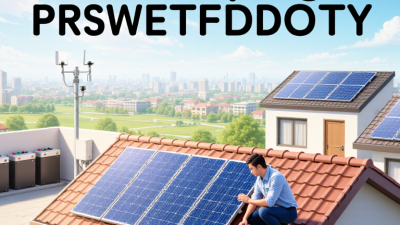
In 2026, most home solar systems begin with photovoltaic panels. Sunlight reaches the cells and creates direct-current electricity. An inverter converts that power into alternating current for household appliances. The conversion happens continuously, while a monitoring system records production and use. On a clear afternoon, a meter may show the panels supplying the refrigerator, lights, and other active loads.

Extra electricity can charge a battery or flow to the grid, depending on the system and local utility arrangements. At night, stored energy may power selected circuits; a battery does not always cover an entire home. That distinction matters. Battery size, household demand, and backup settings all affect how long stored power lasts. Clouds interfere, too. Output can fall quickly when weather or nearby trees shade the panels.

A sound design starts with an assessment of roof condition, shading, and recent electricity use. Installers can estimate annual production, but estimates are not guarantees; seasons and weather vary. A common planning mistake is focusing only on panel capacity while overlooking when electricity is used. Running a dishwasher during sunny hours can use more on-site solar power, though daily routines do not always cooperate. Solar thermal systems work differently: collectors capture heat for water or space heating rather than converting sunlight into household electricity. The best fit depends on the building, energy habits, and practical limits.

Which Solar Technologies and System Types Are Available?

In 2026, solar choices include different panel technologies and system designs. Crystalline-silicon panels dominate installations because they offer strong efficiency and broad availability. The International Energy Agency’s 2022 report, Solar PV Global Supply Chains, estimated that silicon-based technologies represented over 95% of global module production. Thin-film panels are another option, sometimes useful on large surfaces or in specific heat and light conditions. Bifacial panels can capture sunlight from both sides, but they need suitable spacing and reflective ground to deliver extra output.

System type matters just as much. Grid-connected systems send excess electricity to the utility network, while hybrid systems pair panels with batteries for backup or evening use. Off-grid systems rely on batteries and careful load planning. Inverters also vary: string inverters suit many simple layouts, while module-level devices can help with uneven roof shading. There is no universal winner. Shade, roof angle, local weather, and household habits can change the result. IRENA reported a global weighted average utility-scale solar cost of $0.044 per kilowatt-hour in 2023; household costs differ by location and project.

Tip: Ask for an estimate using your actual electricity use, roof shade, and seasonal production. Check battery capacity in kilowatt-hours, not just the advertised backup claim. A tidy spreadsheet can still miss winter clouds.

How to Match a Solar System to Your Energy Needs

What Are the Best Solar Energy Solutions in 2026?
How to Match a Solar System to Your Energy Needs

A suitable solar system starts with your actual electricity use, not a standard package. Check twelve months of bills and note seasonal changes. A home using most power after sunset may benefit from battery storage, while daytime use can often be served directly by solar panels. Small details matter. Shade from a chimney or a nearby tree can reduce output, even on a bright roof.

Tips: List essential appliances, their wattage, and typical hours of use. Compare that list with your daytime energy use. If backup power matters, decide which lights, refrigerator, or medical devices need to run during an outage. Batteries add cost, so size one for priority loads rather than every appliance.

Ask a qualified installer to assess roof condition, orientation, shading, and expected production before choosing a system. Request estimates that show assumptions, not just a projected savings figure. Solar forecasts are imperfect; weather, household habits, and future electricity use can shift the results. I would leave room for that uncertainty instead of treating one estimate as a promise. A smaller system that fits your routine may serve you better than a larger one that rarely meets its expected output.

How Storage, Costs, and Incentives Affect Solar Value

In 2026, solar value depends on when a home uses electricity, not only how many panels fit on the roof. A battery can store midday production for evening cooking, lights, and device charging. That matters. Yet storage adds upfront cost, and a larger battery is not automatically a better choice. Review hourly usage, backup needs, and the system’s usable capacity before comparing quotes. A household that uses most power during sunny hours may gain less from storage than one with heavy evening demand.

Costs also include equipment, installation, electrical work, and possible roof repairs. Ask for itemized estimates, expected production, warranty terms, and assumptions about future electricity prices. Incentives may improve the numbers, but eligibility and availability can change by location and year. Check current government and utility guidance, and confirm details with a qualified local installer or tax professional. Be cautious with savings projections that assume every unit of stored power offsets the highest rate. They may not. I would compare the system with and without a battery, then test both against realistic usage. Even careful estimates can miss cloudy weeks, changing household habits, or battery aging. That uncertainty deserves space in the budget.

How to Compare Solar Systems for Performance and Reliability

Comparing solar systems in 2026 starts with the conditions on your roof, not a headline efficiency figure. Compare estimated annual output using the same roof, weather, and electricity-use assumptions. Ask how shade from a chimney or nearby trees affects production across the day. A system with efficient panels may still produce less if its layout poorly fits your roof. Look for clear estimates of seasonal output, not just a single annual number. Small details matter. Check whether monitoring shows panel-level or whole-system performance, and whether you can easily spot a sudden drop. Estimates are still estimates; local weather can make real results uneven.

Reliability depends on more than panel warranties. Compare the expected service life and replacement terms for panels, inverters, and batteries, if included. Ask how much output the system is expected to retain over time, and who handles repairs if monitoring flags a fault. A long warranty is useful only when its conditions and service process are clear. Review installation details, too: secure roof attachments, tidy wiring, and protection from water entry are practical signs worth discussing. I would not choose a system from a comparison chart alone. Request written assumptions, check the installer’s documented experience, and consider how quickly support is available when something goes wrong.

What Are the Best Solar Energy Solutions in 2026? — How to Compare Solar Systems for Performance and Reliability

Solar solution Best suited for Performance considerations Outage protection Reliability factors Main trade-off
Grid-tied solar Homes or businesses with a dependable utility connection and a goal of reducing grid electricity use. Solar electricity serves on-site loads first; surplus may be exported where local rules allow. Output depends on sunlight, orientation, shading, and system design. Typically does not provide power during a grid outage unless specially designed with backup equipment. Standard grid-connected inverters shut down during outages for safety. Fewer components than a battery-based system can mean simpler operation. Inverter condition, electrical protection, and periodic system checks still matter. No stored solar energy for use after sunset or during an outage; export compensation varies by utility and location.
Solar with battery storage Sites seeking backup for selected loads, greater use of daytime solar after sunset, or reduced exposure to time-varying electricity rates. Battery round-trip efficiency is commonly about 85–95%, depending on the battery and system. Backup duration depends on battery capacity, load, and available solar recharge. Can supply backup power when configured with suitable controls, isolation equipment, and adequate battery capacity. Not every solar-plus-battery setup backs up the whole building. Check battery operating limits, usable capacity, warranty terms, temperature requirements, and the backup system’s load rating. Higher upfront cost and additional equipment; batteries have finite capacity and gradually lose capacity with use and age.
Hybrid solar system Properties that want a utility connection, battery storage, and the flexibility to use or export electricity according to local rules. Combines solar generation, grid exchange, and battery charging. Performance depends on how the inverter and energy controls prioritize household loads, charging, and exports. Backup is available only when the system includes the required battery and outage-capable controls; capacity is limited by equipment configuration and stored energy. Confirm that inverter, battery, and backup circuits are compatible and that the system has a clear monitoring and maintenance plan. More design choices and components require careful system sizing and compatibility checks.
Off-grid solar with storage Remote properties without practical utility access, or sites deliberately designed to operate independently of the grid. Must be sized for seasonal sunlight, peak demand, and periods of low generation. Battery capacity and load management are essential; some systems also use a generator. Designed to operate without the grid, but available power is limited by generation, battery state of charge, and system capacity. Reliability depends on conservative sizing, suitable batteries, spare parts, monitoring, and a plan for extended cloudy periods. Requires more storage and planning than a grid-connected system; undersizing can lead to power shortages.

Comparison note: These are general planning characteristics, not performance guarantees. Actual energy production, equipment life, backup capability, and financial value vary with location, system design, usage, utility rules, and product warranty terms. Many current photovoltaic modules are in the approximate 20–23% conversion-efficiency range, but module efficiency alone does not determine a system’s annual energy output.