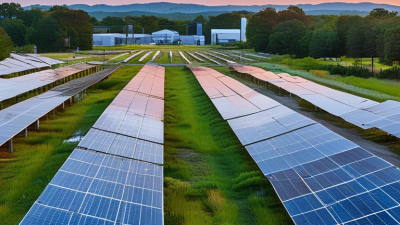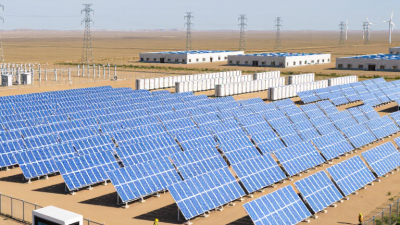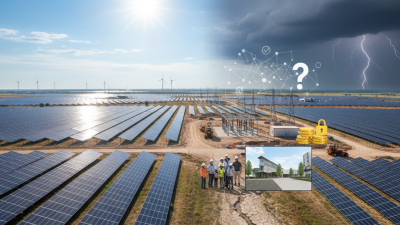
For many Colorado households, rooftop solar is not a simple option. A shaded roof, rental lease, or tight budget can put panels out of reach. Community solar offers another path. Subscribers support a shared solar garden and may receive bill credits for their portion of its electricity. The panels are elsewhere, often on open land or a large roof. Your home does not need to host them.
NREL researcher Jenny Heeter studies community solar and its access for energy customers. Her work points to a practical takeaway: people may participate without installing panels on their own roofs. That is the promise. The details matter, too. In community solar Colorado programs, subscription terms, utility billing, and available savings can vary. A credit on a bill is not always the same as a guaranteed reduction in total costs. Read the contract carefully. Ask who handles billing, whether fees apply, and what happens if you move.
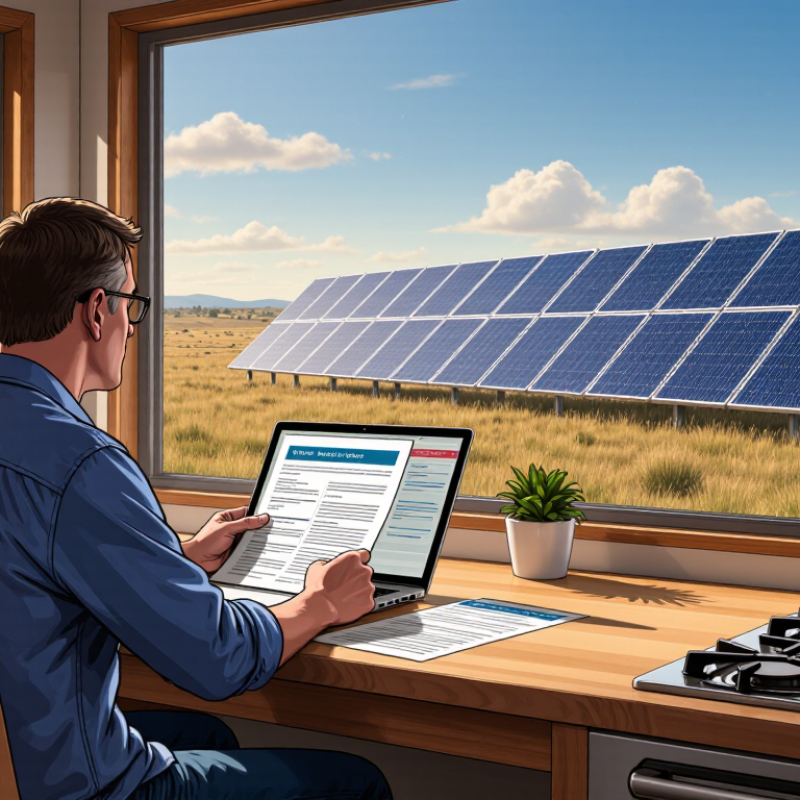
Picture a solar array turning in the high-altitude sun while a subscriber checks a monthly utility statement at the kitchen table. The arrangement can feel straightforward, but its paperwork may not. It is worth comparing the expected bill credits with subscription charges before enrolling. This guide explains how shared projects work, who may qualify, and what to check before signing. The model can broaden access. It is not magic, and local terms deserve a second look.
Defining Community Solar in Colorado
In Colorado, community solar usually means subscribing to a share of a solar garden, a larger array connected to the electric grid. The panels may sit on open land or a commercial property, rather than on a subscriber’s roof. No rooftop required. Subscribers receive bill credits for their portion of the garden’s electricity, while still getting power through their usual utility.
A household might subscribe to a small share and see credits appear on its monthly electricity bill. The panels do not send power directly to that home. Instead, the utility tracks the garden’s production and applies credits under its billing rules. Credit values, fees, and contract terms can vary, so projected savings are not automatic. Check the subscription agreement and your utility’s current details.
Community solar can suit renters, people with shaded roofs, or households that cannot afford their own system. But access depends on available projects and eligibility requirements, which may differ by utility area. A low-income subscriber may have different protections or options under Colorado’s rules. The paperwork can feel less clear than the sunny diagrams suggest; compare the monthly charge with expected bill credits before signing.
A Colorado community solar garden begins with a site, an interconnection study, permits, and a financing plan. Developers assess sunlight, land access, grid capacity, and distance from electrical equipment. A suitable field may still need costly upgrades before it can connect. That uncertainty can reshape project budgets.
After approvals, crews install panels, inverters, wiring, and safety equipment. The garden sends electricity to the local grid, while subscribers receive bill credits tied to their assigned share of production. Colorado projects may serve households that cannot install rooftop panels, including renters. Credit amounts can vary with output and utility tariffs, so projected savings are not guaranteed.
The U.S. Department of Energy’s National Renewable Energy Laboratory reported roughly 7.3 gigawatts of community solar capacity nationwide by the end of 2023 (NREL, Sharing the Sun, 2024).
That scale reflects many locally organized projects, not one uniform system. Operations continue after construction: managers monitor equipment, arrange maintenance, track subscriber allocations, and report generation. Snow, equipment faults, and grid delays can interrupt expected output.
Not always smoothly.
Clear contracts and accessible billing explanations matter, because subscribers need to understand how credits are calculated and what happens when a project underperforms.
In Colorado, community solar lets residents subscribe to part of a shared solar project without installing panels at home. The project may sit miles away, but its electricity enters the local grid. Your home still receives power through its usual utility connection. No rooftop work is needed. A subscriber’s share is recorded as an allocation, often based on household electricity use and available project capacity. Enrollment rules and openings can differ by utility area, so check that the project serves your address before signing up.
The utility generally applies a bill credit tied to the subscriber’s share of solar production. The credit may change month to month as generation shifts with weather and daylight. The subscriber also pays a subscription charge, either through the bill or separately, depending on the arrangement. Compare the charge with the expected credit, not just the advertised savings. Ask for a sample bill and review cancellation terms, fees, and what happens if you move. Details matter. Credits and charges may appear on different dates, which can make the first bill confusing. A careful estimate is useful, but actual savings can vary.
| Topic | How It Works in Colorado | What Residents Should Know |
|---|---|---|
| Community solar garden | A shared solar array generates electricity for multiple subscribers. Colorado’s community solar garden framework generally allows gardens with a nameplate capacity of up to 5 megawatts. | The panels are at a shared project site, not on each subscriber’s roof. Project availability and eligibility depend on location and the applicable program. |
| Subscription | A resident signs up for a portion of a garden’s output. The subscription is commonly expressed as a share or an estimated amount of electricity production. | Check the subscription size, payment method, term, cancellation rules, and whether any upfront payment or other fee applies. |
| Utility account | The home or business remains connected to its electric utility and continues to receive a regular utility bill. The solar garden does not usually deliver electricity directly to the subscriber’s building. | Community solar is different from installing rooftop panels and generally does not require changes to the property’s electrical system. |
| Production and allocation | The garden’s measured electricity production is allocated among subscribers according to their subscriptions and the applicable program rules. Actual output varies with sunlight, weather, and system performance. | Monthly credits can vary. A subscription estimate is not a guarantee of a fixed amount of generation or savings. |
| Utility bill credits | The utility applies bill credits associated with the subscriber’s allocated share of solar production, as set out under the applicable tariff and program arrangements. | Credit calculations and timing vary by utility and program. Review the project’s explanation of how credits appear on the bill. |
| Subscription charge and savings | A subscriber may pay a separate charge for the allocated solar production. Any net savings depend on the value of utility credits compared with the subscription charge and any applicable fees. | Illustrative example only: if a bill receives $15 in credits and the subscription charge is $13.50, the estimated net benefit is $1.50 before any other charges. Actual results vary. |
| Charges that may remain | Some fixed or other utility charges may not be offset by community solar credits. The treatment of charges depends on the utility’s applicable rate and program rules. | Do not assume credits eliminate the entire electric bill. Ask which bill components are eligible for credits. |
| Eligibility and location | Eligibility is generally tied to the utility territory and the requirements of the garden or program. Colorado rules and program structures can include limits on garden size and subscriber participation. | Confirm that the project can serve your utility account and that your account type meets its enrollment requirements. |
| Income-qualified access | Some Colorado community solar programs or projects include capacity for income-qualified subscribers or offer program-specific participation terms. | Availability, qualification criteria, and savings terms vary. Check the current program requirements before enrolling. |
| Enrollment checklist | Residents typically provide utility-account details and authorize the arrangements needed to assign credits and manage the subscription. | Before signing, compare the subscription charge with expected credits, review cancellation and transfer terms, and ask how billing issues are handled. |
Note: Program rules, utility tariffs, credit values, and contract terms can change. Confirm current details with the relevant utility and community solar project before subscribing.
In Colorado, community solar lets households receive credits from a shared solar garden without installing panels at home. Renters and people with shaded roofs may qualify, provided the project serves their electric utility’s territory. Some gardens reserve space for income-qualified households, but eligibility rules vary. Check the project’s location, utility requirements, and any income documentation before enrolling.
Costs depend on the subscription agreement. Many offers have no equipment purchase or upfront charge, but subscribers may pay a separate monthly fee while receiving credits on their utility bill. Compare the fee with the expected credit, not just the advertised savings. Ask whether charges change over time, whether a minimum subscription applies, and what happens if you move. Small print matters.
Consumer protections and cancellation terms deserve a close read. Request the full contract and a sample bill, then confirm how credits appear and how long cancellation takes. Check for early-exit fees, automatic renewal, and rules for transferring a subscription to a new address. Colorado’s program rules provide safeguards, but they do not make every offer equally clear. Projections can miss the mark. Weather, utility rates, and billing timing may affect actual savings, so treat estimates as estimates, not promises.
Community solar lets eligible utility customers subscribe to a share of a shared solar garden and receive bill credits for their portion of its electricity. You typically do not need to install panels on your home.
Colorado project-size limit: A community solar garden may have a nameplate capacity of up to 5 megawatts. Subscribers generally need to be customers of a utility eligible to participate in the garden’s service area. Before signing, check the subscription agreement for fees, cancellation terms, bill-credit details, and whether projected savings are guaranteed.
In Colorado, community solar lets households subscribe to part of a shared solar garden instead of installing panels on a roof. The project sends electricity to the grid, and subscribers receive credits on their utility bills based on their share of its output. No rooftop required. This can suit renters, shaded homes, or people who cannot afford a home system. NREL’s 2023 report, Sharing the Sun, counted about 5.8 gigawatts of operating community solar capacity nationwide as of June 2023, showing how widely the model has grown.
The practical benefit is possible bill savings without buying equipment or arranging roof work. But a credit is not always a dollar-for-dollar discount. Subscribers may pay a separate subscription charge, and savings depend on the contract, project output, and utility billing rules. Production can dip on cloudy days or during winter, so credits may vary. Read the contract. Check cancellation terms, transfer options, fees, and whether projected savings are guaranteed or only estimates. The paperwork can feel less simple than the solar idea itself, and comparing offers takes time. A household with a tight budget should check how charges appear on an actual bill before committing.
Thank you for reaching out.
Your message has been received, and a member of the Bluestem Energy Solutions team will be in touch soon. We appreciate your interest and look forward to connecting.