In recent years, the demand for green energy solutions has surged as global buyers pivot towards sustainable practices. According to a report by the International Renewable Energy Agency (IRENA), renewable energy capacity reached 2,799 gigawatts in 2021, with a projected growth rate of 8% annually through 2026. This paradigm shift highlights the urgent need for innovative strategies to address climate change and energy demands.
Challenges remain, however. The transition to green energy solutions often faces hurdles, including high initial investments and technological limitations. A study by the International Energy Agency (IEA) indicates that while 30% of global energy needs could be met through renewables by 2030, achieving this goal will require concerted efforts from both governments and the private sector. Furthermore, supply chain disruptions can threaten the stability of green energy markets.
Balancing ecological benefits with economic viability is crucial. As buyers explore this evolving landscape, pragmatic solutions that embrace flexibility and resilience will be essential. Companies must be willing to adapt, refine their strategies, and invest in research and development. Ignoring these complexities may hinder the overall progress towards a sustainable energy future.
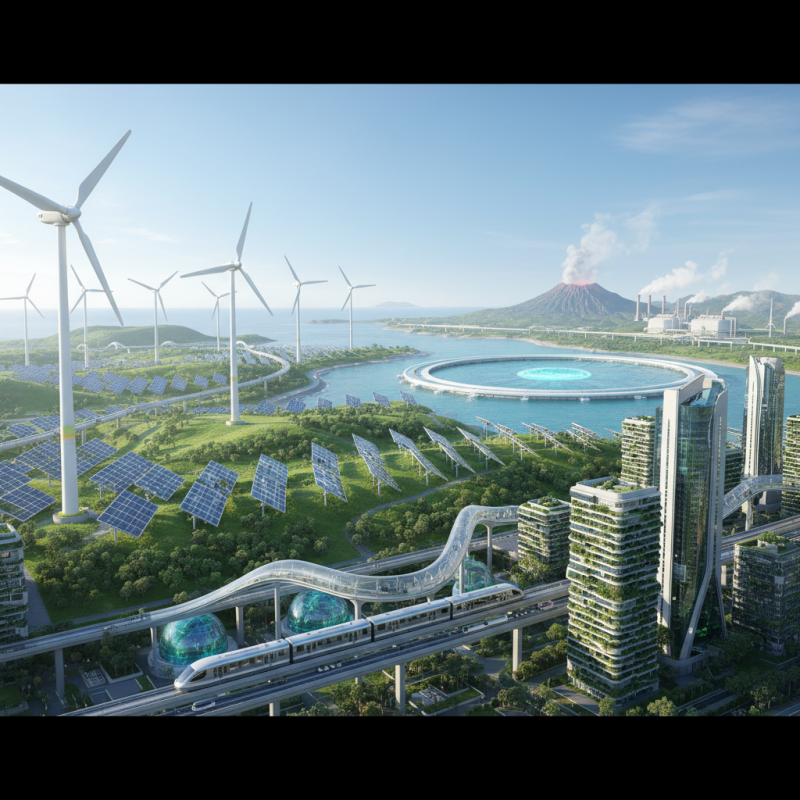
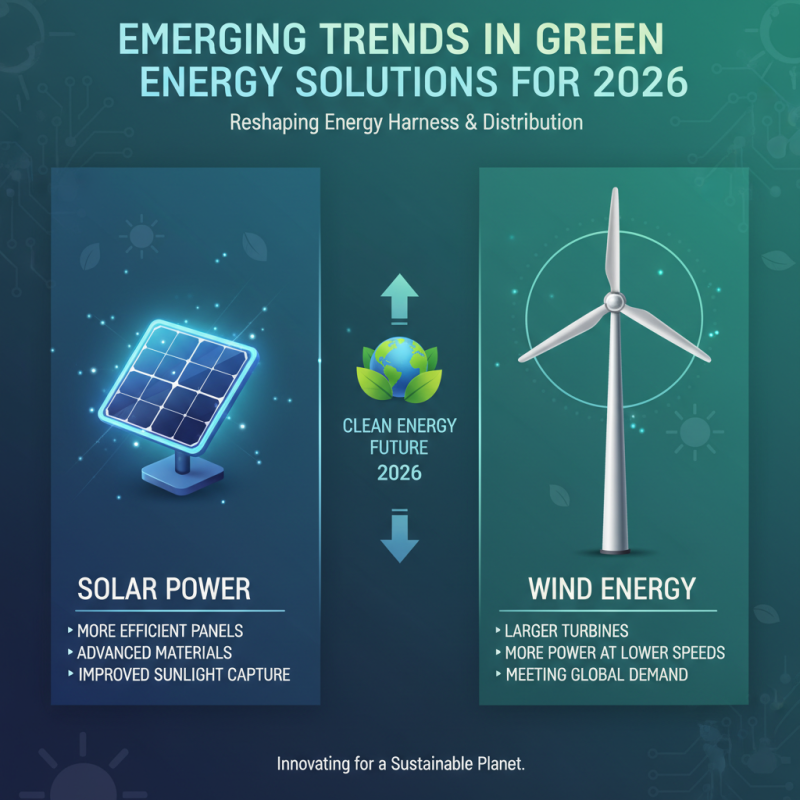
In 2026, green energy solutions are set to evolve significantly. Emerging technologies will reshape how we harness and distribute energy. Solar panels will become more efficient, utilizing advanced materials that capture sunlight better than ever. Wind energy will also see improvements, with larger turbines that generate more power at lower wind speeds. This offers a promising way to meet increasing global energy demands.
Energy storage systems will play a crucial role in balancing supply and demand. Innovative battery designs will enhance the capacity and charging speed, making renewable energy more reliable. However, issues around recycling these batteries remain a challenge. As these technologies advance, the focus on sustainability in manufacturing processes must grow.
Smart grids will likely become the backbone of energy distribution. They will allow real-time monitoring and management of energy resources. Yet, the transition to smart grids is not without obstacles. Cybersecurity risks and infrastructure costs need careful consideration. Overall, while the progress in green energy solutions is exciting, it requires ongoing scrutiny and adjustment to overcome inherent challenges.
The green energy market in 2026 is set to be shaped by several key technologies. Renewable energy sources, such as solar and wind, will continue to dominate. These technologies are becoming more efficient and affordable.
Solar panels, for example, now convert more sunlight into electricity than ever before. Wind turbines are also getting larger, capturing more wind energy.
Energy storage solutions are crucial as well. As renewable energy production increases, so does the need to store excess energy. Battery technology is evolving rapidly. Innovations in lithium-ion and solid-state batteries are promising. These advancements will help manage energy supply and demand.
Hydrogen fuel is another technology to watch. It offers a clean energy alternative for transportation and industrial applications. However, challenges remain in production and costs. Other methods, like geothermal energy, are gaining attention too.
While these technologies seem promising, practical implementation poses hurdles. A balance between innovation and real-world application is vital for success in the green energy landscape.
In 2026, global buyers face diverse choices in renewable energy sources. Solar and wind energy remain top contenders, offering scalable solutions. Both provide clean energy but vary in effectiveness based on geographical location. For instance, solar power thrives in regions with high sun exposure. This makes it a preferred option in sunny climates. Wind energy, on the other hand, benefits from consistent wind patterns found in coastal areas.
Hydropower is another significant source. It can generate large amounts of energy, but it often requires specific environmental conditions. There are concerns about its impact on local ecosystems. Biomass offers flexibility, converting organic materials into energy. However, sourcing biomass sustainably poses challenges. Not all suppliers can guarantee environmentally friendly practices.
Each energy type has merits and drawbacks. Buyers must weigh these carefully. Emerging technologies may offer solutions, yet they also bring uncertainties. As we move toward a greener future, the analysis of each option is critical. Understanding the unique characteristics of these sources will help buyers make informed decisions that align with their goals.
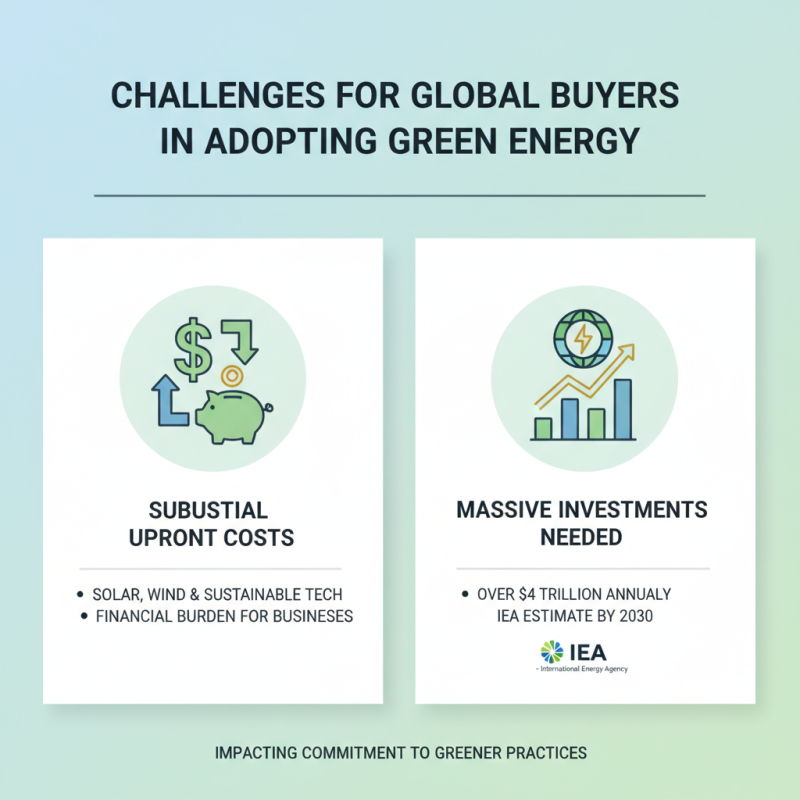
Adopting green energy solutions poses significant challenges for global buyers. The International Energy Agency (IEA) estimates that transitions to renewable energy could require over $4 trillion in investments annually by 2030. This figure reflects the substantial upfront costs associated with solar, wind, and other sustainable technologies. Many businesses grapple with the financial burden, impacting their ability to commit to greener practices.
Furthermore, supply chain complexities complicate the adoption of green solutions. A report from McKinsey highlights that about 75% of companies face sourcing instability in their renewable energy supply chains. Fluctuations in availability lead to increased prices and uncertainty, creating hesitance among global buyers. Achieving renewable energy goals often requires navigating these unpredictable markets.
There is also a skills gap hindering implementation. The World Economic Forum reports that nearly 40% of workers in the renewable energy sector lack sufficient training. This deficit can lead to inefficiencies and slow project execution. As companies attempt to implement green technologies, they often realize that simply having the funds is not enough. The necessity for skilled labor remains a critical hurdle in harnessing green energy effectively.
As we look towards 2026, the green energy sector is set for unprecedented growth. Investment in renewable technologies is anticipated to skyrocket. Countries around the world are increasing their commitment to sustainability. This shift is driven by both policy and economic necessity. Stakeholders must collaborate to navigate emerging markets.
Tips: When considering investments, evaluate local regulations. Understanding government incentives can maximize returns. Research emerging technologies before diving in.
Data suggests that solar and wind will lead the market. However, innovations in energy storage and hydrogen will also play significant roles. These sectors are critical for meeting energy demands while minimizing environmental impact. Businesses should stay informed about these trends. This knowledge can guide smarter investment decisions.
Tips: Monitor industry reports and expert analyses. Being informed can help identify the best opportunities. Partner with reputable organizations for insights and coordination.
Thank you for reaching out.
Your message has been received, and a member of the Bluestem Energy Solutions team will be in touch soon. We appreciate your interest and look forward to connecting.