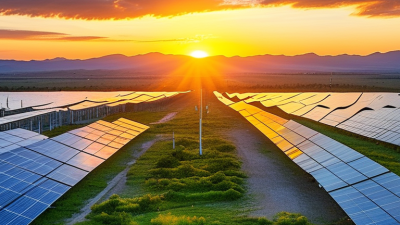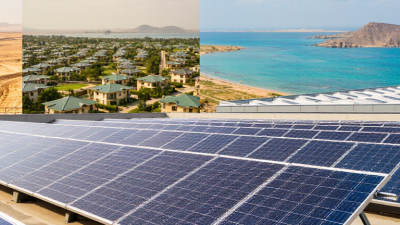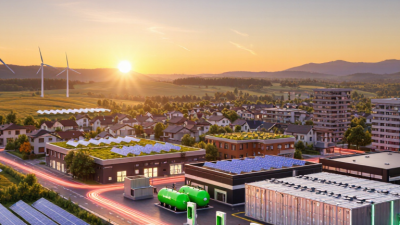
Businesses are rethinking electricity costs, resilience, and environmental responsibility. Green solar power offers a practical path across all three areas. It turns sunlight into electricity through rooftop arrays, carport systems, or ground-mounted installations. On a clear morning, panels can begin producing power before employees arrive.
The financial case is becoming stronger. IRENA’s Renewable Power Generation Costs in 2023 reported that 81% of newly commissioned utility-scale renewable projects cost less than new fossil-fuel alternatives. Solar photovoltaic electricity costs also declined by 12% in 2023. Since 2010, costs have fallen by about 90%. These figures support long-term planning, although results still depend on location, financing, maintenance, and grid conditions.
There is more than savings.
The International Energy Agency’s Renewables 2024 report expects renewable capacity to expand significantly through 2030, led by solar photovoltaic systems. This growth reflects wider market confidence, not a guarantee for every business. A shaded roof, weak infrastructure, or poor installation can reduce expected returns. That uncomfortable detail deserves attention.
Francesco La Camera, Director-General of the International Renewable Energy Agency, said, “Renewables are the most secure and affordable source of energy available today.” His statement captures the broader opportunity, but responsible adoption requires evidence. Businesses should compare production estimates, storage needs, incentives, and supplier quality before investing. Green solar power works best when sustainability goals match disciplined financial analysis.
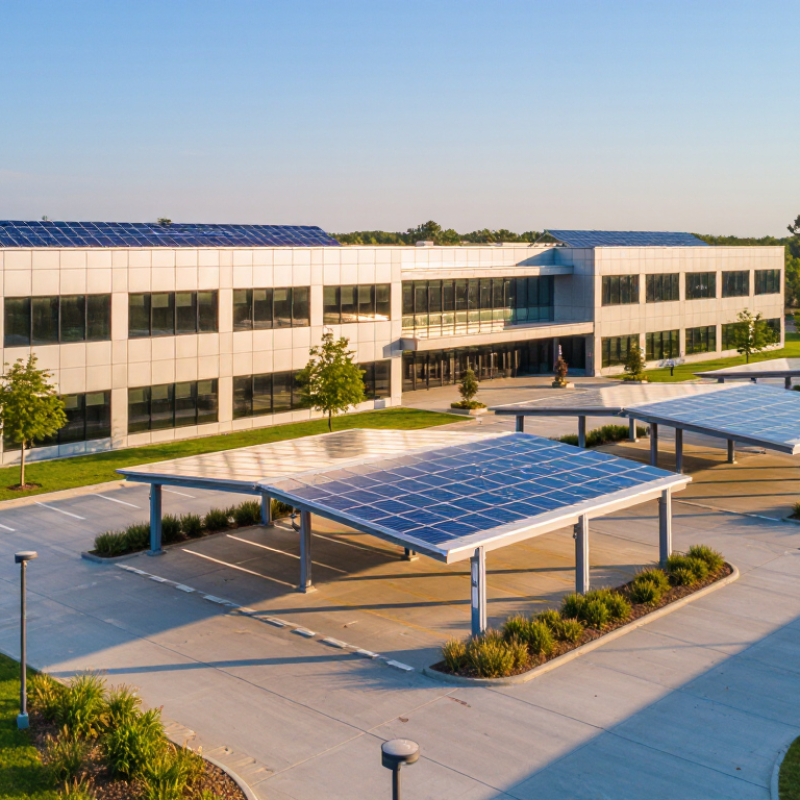
Green solar power means more than placing panels on a roof. For modern businesses, it means producing electricity with less reliance on fossil fuels. A warehouse can use rooftop panels to run lights, cooling systems, and loading equipment. An office can combine solar generation with battery storage for evening operations. On a clear morning, energy data can show how much power the building creates. That visibility helps managers connect sustainability goals with daily decisions. It also gives customers and employees evidence, not just promises. Good planning matters. Roof strength, shading, local weather, and electricity demand should be measured before installation. Ignoring one detail can reduce expected savings.
Practical experience shows that strong projects begin with a careful energy review. Businesses should compare monthly consumption, peak demand, maintenance costs, and available roof space. A realistic forecast should include cloudy days, equipment aging, and changing operating hours. Solar power can lower long-term energy expenses, but results differ by site. It is not automatically the cheapest answer. That is worth admitting. Companies also need qualified installers, documented safety procedures, and regular performance checks. Clear records support trustworthy reporting and help identify underperforming equipment early. Workers may notice cooler roof areas or quieter backup systems after improvements. Small observations can reveal practical value. Still, solar projects require capital, permits, grid coordination, and patience. When these limits are discussed openly, green power becomes a credible business decision rather than a fashionable claim.
Why Choose Green Solar Power for Your Business?
How Solar Energy Supports Business Operations
Solar energy can support daily business operations by producing electricity where it is consumed. Rooftop panels can power lighting, computers, refrigeration, pumps, and production equipment during daylight hours. This reduces dependence on purchased grid electricity and makes energy costs easier to track.
A well-designed system begins with an energy audit. Technicians review hourly demand, roof condition, shading, equipment schedules, and local weather patterns. Battery storage can preserve essential power after sunset or during short grid interruptions. However, batteries add cost, space requirements, and maintenance duties. They are not automatically the best choice.
Operations teams should also plan for inspections, inverter replacement, cleaning, and performance monitoring. A dashboard can reveal falling output before it disrupts work. Solar does not remove every energy risk. A cloudy week can expose weak planning. Businesses may still need grid power, backup generation, or demand-management measures. Financial returns also depend on tariffs, financing, system life, and installation quality.
One detail is often overlooked: solar production may not match the busiest operating hours. Shifting flexible tasks into daylight can improve the system’s practical value. Staff training matters, too. Employees need clear procedures for shutdowns and maintenance access. Reliable results come from measured consumption, realistic forecasts, and regular review, not optimistic estimates.
How Solar Energy Supports Business Operations
| Business Dimension | Solar Energy Data | Operational Benefit | Planning Consideration | Reference |
|---|---|---|---|---|
| Lifecycle greenhouse-gas emissions | Approximately 48 g CO₂e/kWh for solar photovoltaic electricity, compared with approximately 820 g CO₂e/kWh for coal and 490 g CO₂e/kWh for natural gas. | Lower electricity-related emissions can support environmental targets, sustainability reporting, and lower-carbon operations. | Actual avoided emissions depend on the emissions intensity of the local electricity grid and the system’s lifetime output. | IPCC, AR5 WGIII |
| Fuel exposure | Solar photovoltaic systems generate electricity from sunlight and require no fuel purchases during generation. | Reduces exposure to fluctuations in conventional fuel prices and supports more predictable energy planning. | Capital costs, financing, maintenance, insurance, and grid charges still apply. | U.S. Department of Energy |
| System service life | Commercial photovoltaic modules are commonly designed to operate for at least 25 years, with gradual performance reduction over time. | Supports long-term energy planning and allows the initial investment to be spread over many operating years. | Inverters, mounting systems, wiring, and roof conditions should be included in lifecycle planning. | NREL, PV Lifetime and Degradation |
| Annual performance degradation | A typical photovoltaic degradation range is approximately 0.25%–0.50% per year, depending on module technology and operating conditions. | Output generally declines gradually rather than stopping abruptly, enabling predictable production forecasting. | Heat, humidity, soiling, shading, snow, and maintenance quality can affect actual performance. | NREL, Photovoltaic Degradation Rates |
| Electricity production profile | Generation is highest during daylight hours and varies with solar irradiance, weather, season, orientation, tilt, and shading. | Can align well with daytime business loads such as offices, retail facilities, warehouses, cooling, and manufacturing processes. | Load analysis and interval-meter data should be used to determine the appropriate system size. | NREL PVWatts® Calculator |
| Energy storage efficiency | Lithium-ion battery systems commonly achieve approximately 80%–95% round-trip efficiency, depending on system design and operating conditions. | Battery storage can shift excess daytime solar generation to later periods and help support selected critical loads. | Battery sizing should consider peak demand, outage duration, safety requirements, cycling patterns, and backup priorities. | U.S. Department of Energy, Energy Storage |
| On-site energy resilience | Solar photovoltaic systems can continue serving designated loads during grid interruptions only when paired with suitable controls, isolation equipment, and often battery storage. | May improve continuity for essential equipment, communications, refrigeration, security systems, and other prioritized operations. | A standard grid-connected solar system normally shuts down during an outage for safety unless it is specifically designed for backup operation. | U.S. Department of Energy |
| Maintenance requirements | Photovoltaic systems have no moving parts in the modules, while routine inspections, monitoring, cleaning where needed, and inverter servicing remain important. | Predictive monitoring can help identify underperformance, faults, shading changes, and equipment issues before they affect operations significantly. | Maintenance frequency depends on local dust, pollen, snow, weather exposure, system design, and site accessibility. | NREL, PV Operations and Reliability Research |
Why Choose Green Solar Power for Your Business?
The Financial Benefits of Switching to Green Solar Power
For many businesses, electricity is a daily operating cost that rarely decreases. Solar power can make that expense more predictable. A rooftop system turns unused space into an energy-producing asset. During sunny hours, panels may reduce electricity purchased from the grid. This matters most for offices, warehouses, farms, and shops with daytime operations.
The financial benefit depends on several measurable factors. These include system size, local sunlight, installation costs, electricity rates, and available tax incentives. A professional energy assessment can compare current bills with expected solar production. For example, a small warehouse might use solar generation to support lighting, refrigeration, and computers. Lower monthly bills can improve cash flow, while excess electricity may create additional value under local rules.
Solar systems can also reduce exposure to future rate increases. However, the savings are not automatic. Roof repairs, equipment maintenance, financing charges, and seasonal production must enter the calculation. A poorly sized system may produce disappointing returns. Battery storage can increase flexibility, but it also raises the initial investment. Careful records matter here. Reviewing twelve months of utility bills is more reliable than guessing from one unusually high bill.
Businesses should request transparent projections, warranty terms, maintenance details, and realistic payback estimates. Independent advice can reveal weaknesses in an attractive proposal. The best decision may not be the largest system. It may be the system that fits the building, budget, and operating schedule.
Solar is not automatically clean. For a business, the environmental case begins with fewer fossil-fuel emissions during operation. Rooftop panels can also reduce pressure on developed land. Yet manufacturing, transport, inverter replacement, and end-of-life recycling still create impacts. A credible plan measures the full system, not only the bright panels above the parking area. That uncomfortable detail matters.
Social benefits can appear close to home. Installation work may support electricians, maintenance crews, and technical apprentices in the surrounding region. On-site generation can also protect essential operations during grid disruptions, when safe backup systems are available. Workers need training, fall protection, and clear emergency procedures. Communities deserve a voice before construction begins. Consultation should cover glare, noise, land use, and future equipment removal. Not every project distributes benefits fairly. A warehouse owner may save money while nearby renters see little relief from energy costs. That gap deserves attention.
Businesses can improve outcomes by publishing energy data, checking supplier labor practices, and budgeting for panel recovery. Independent engineers can verify system yields and safety controls. Local hiring targets and transparent community agreements make social claims more testable. Still, no project is perfect. Roof limits, shaded surfaces, battery materials, and changing regulations complicate decisions. Good leadership leaves room to revise the plan when evidence changes.
Why Choose Green Solar Power for Your Business?
Key Factors for Planning a Commercial Solar Power System
Commercial solar planning starts with electricity, not panels. Review twelve months of utility bills and hourly demand data. The International Energy Agency reported nearly 420 gigawatts of solar capacity additions worldwide in 2023. That growth shows momentum, but it does not guarantee savings for every building. A warehouse with daytime loads may benefit more than an empty office after sunset. Measure roof area, shading, orientation, and structural capacity before requesting proposals. Small details matter.
System sizing should reflect real operations. Include refrigeration, machinery, ventilation, and future equipment in the load model. The National Renewable Energy Laboratory recommends using site-specific production estimates rather than simple annual averages. Battery storage may help reduce peak-demand charges, but its value depends on local tariffs and operating schedules. Check interconnection rules, fire access, maintenance paths, insurance requirements, and equipment warranties early. Do not ignore the roof’s remaining life. Replacing it later can disrupt the solar investment.
Financial planning needs several scenarios. Compare cash purchase, financing, storage, and delayed expansion. Include degradation, cleaning, inverter replacement, and possible grid upgrades. A spreadsheet can still miss seasonal shading or unexpected demand changes. That is an uncomfortable weakness. Independent engineering review, transparent assumptions, and documented production estimates make decisions more reliable. Performance monitoring should begin on day one. Test the model against actual bills after installation, then revise it when reality disagrees.
Commercial solar power can significantly reduce lifecycle greenhouse-gas emissions compared with fossil-fuel electricity. This comparison helps businesses evaluate the environmental impact when planning an onsite solar system.
Median lifecycle greenhouse-gas emissions measured in grams of CO₂ equivalent per kilowatt-hour (g CO₂e/kWh). Source: IPCC AR5 WGIII, Annex III.
Thank you for reaching out.
Your message has been received, and a member of the Bluestem Energy Solutions team will be in touch soon. We appreciate your interest and look forward to connecting.