What is Wind Solar Energy and How Does it Work?
Wind solar energy is an innovative combination of wind and solar power. This dual approach takes advantage of nature's elements to generate clean energy. Dr. Emily Johnson, a renowned expert in renewable energy, states, "Harnessing both wind and solar power maximizes efficiency and reduces waste." Her insight highlights the potential of wind solar technology.
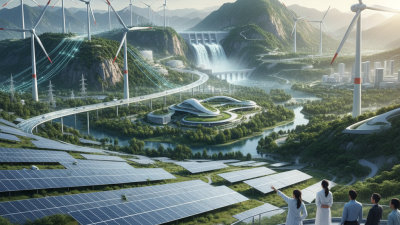
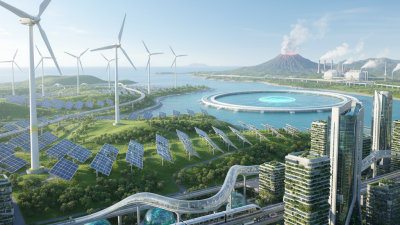
In the current climate crisis, reliance on traditional energy sources is diminishing. Wind solar systems can fulfill our energy demands while lowering carbon footprints. Picture a wind turbine spinning alongside solar panels, both working in harmony. This synergy not only provides energy but also promotes sustainability. However, challenges remain in integrating these technologies effectively.
Maintenance and initial costs can be daunting. Many people are still hesitant, fearing that the technology isn’t reliable. Progress has been made, but there is much room for improvement. Wind solar energy can revolutionize our energy landscape, but our understanding and approaches need refinement. The road ahead is both exciting and complex. Embracing wind solar could pave the way for a greener future.
Understanding Wind Solar Energy: An Overview
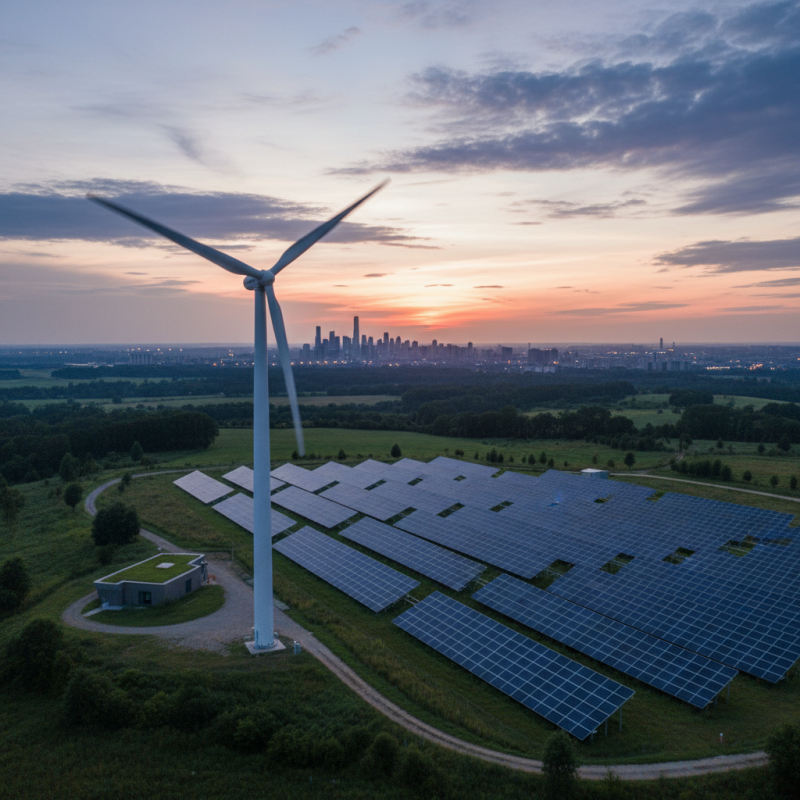
Wind solar energy is an innovative approach that combines the strengths of wind and solar power. This hybrid system harnesses the power of the sun and wind to generate clean energy. By integrating both technologies, efficiency can improve significantly. During sunny days, solar panels capture sunlight and convert it into electricity. On windy days, turbines spin to generate power from the wind.
One of the standout benefits of wind solar energy is its ability to produce electricity consistently. Wind and solar resources often complement each other. In many regions, when it is sunny, winds tend to be calmer, and vice versa. This characteristic allows for a more stable energy output, reducing reliance on fossil fuels.
However, challenges remain. The initial setup cost can be high, and maintenance requires specialized knowledge. Not all locations are ideal for both systems. Some areas may benefit from wind power more than solar, and vice versa. It is essential to analyze local conditions before investing. This combination of challenges shows that while wind solar energy is promising, understanding regional specifics is vital for success.
The Science Behind Wind Energy Generation
Wind energy generation is rooted in the principles of aerodynamics and physics. When the wind blows, it creates kinetic energy. Wind turbines harness this energy by converting it into electrical power. According to the U.S. Department of Energy, wind energy contributed about 8.4% of total energy consumption in the United States in 2021. This number is expected to rise as technology improves. Turbine efficiency is continuously increasing, with recent advancements achieving over 50% efficiency in energy conversion.
The science behind wind energy involves several key components. Turbines have blades that capture wind, which causes them to rotate. This rotation spins a generator, producing electricity. Reports indicate that onshore wind farms can produce electricity at a cost of around $30 per megawatt-hour, making them one of the cheapest forms of energy today. However, turbines must be strategically placed to optimize performance. Locations with consistent wind patterns can yield significantly better results.
Tips for maximizing wind energy efficiency include conducting thorough site assessments. Understanding local wind conditions can enhance energy production. Additionally, regular maintenance of turbines is crucial. It helps sustain efficiency and prolongs the lifespan of the equipment. Wind energy remains a powerful tool for a sustainable future, yet it requires careful planning and investment.
The Mechanisms of Solar Energy Conversion
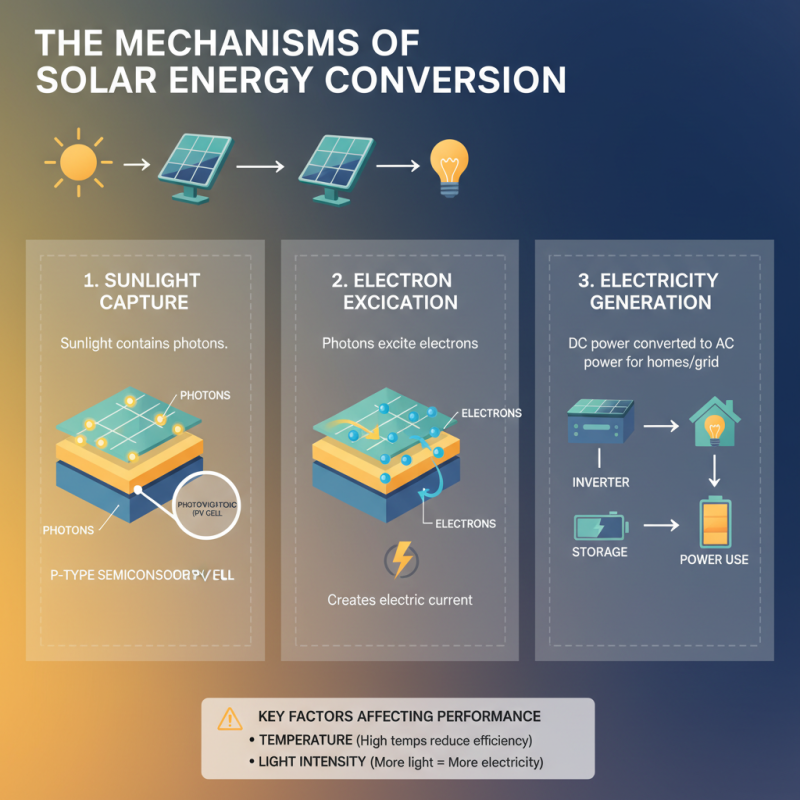
Solar energy conversion relies on harnessing sunlight to generate electricity. The main mechanism involves photovoltaic (PV) cells, which are made of semiconductor materials. When sunlight strikes these cells, it excites electrons, creating an electric current. This process is efficient but not without flaws. Temperature and light intensity can affect performance significantly.
Another method of converting solar energy is through solar thermal systems. These systems capture heat from sunlight to produce steam, which drives turbines. While this approach is effective, it requires substantial space and careful design to optimize energy capture. Furthermore, energy storage remains a challenge. Solar power generation is intermittent, as it depends on the availability of sunlight.
Reflecting on these technologies, it's clear that advancements are needed. Efficiency improvements could enhance energy capture. Better materials might reduce costs and increase durability. As we move forward, addressing these issues will be crucial for sustainable energy development.
Integrating Wind and Solar Energy Systems
Integrating wind and solar energy systems offers significant advantages for sustainable energy generation. According to the National Renewable Energy Laboratory, combined installations can improve overall efficiency by harnessing varying weather conditions. For instance, solar panels generate maximum output during sunny days, while wind turbines thrive in windy conditions, especially during cooler months.
The combination leads to a more reliable energy supply. A recent report by the International Renewable Energy Agency noted that hybrid systems can increase capacity factors by 15-25%. With better resource utilization, these systems mitigate the intermittency issues faced by individual renewable sources. However, integrating these technologies presents challenges, such as the need for advanced energy management systems.
Energy storage solutions play a crucial role in this integration. They store excess energy produced during peak generation periods, which can then be used when demand spikes. The U.S. Energy Information Administration highlights that battery storage capacity needs to expand by 20 times by 2030 to meet future demand. This reflection on storage underscores the evolving landscape of renewable energy adoption. As we innovate, we must remain aware of the infrastructure required to support these advancements.
What is Wind Solar Energy and How Does it Work? - Integrating Wind and Solar Energy Systems
| Energy Type |
Mechanism |
Advantages |
Challenges |
| Wind Energy |
Utilizes wind turbines to convert kinetic energy from wind into electricity. |
Renewable, reduces greenhouse gas emissions, low operational costs. |
Intermittent energy source, noise, impact on wildlife. |
| Solar Energy |
Uses photovoltaic cells to convert sunlight directly into electricity. |
Abundant resource, lowers electricity bills, scalable. |
Weather dependent, initial setup cost, requires space. |
| Integrated Systems |
Combines wind and solar to create a more reliable energy supply. |
Balances energy production, increases reliability, reduces land use. |
Complexity in system design, higher initial costs. |
Benefits and Challenges of Wind Solar Energy Solutions
Wind solar energy combines wind and solar power technologies to create a more sustainable energy source. One major benefit is that it harnesses the strengths of both resources.
Wind energy has seen rapid growth, with the U.S. generating over 9% of its electricity from wind in 2022. Conversely, solar energy is continually expanding, contributing around 4% of national electricity.
Together, they can provide a reliable energy mix.
However, challenges exist. The variability of wind and sunlight means that energy production can fluctuate. According to the National Renewable Energy Laboratory, integrating wind and solar requires advanced forecasting tools to optimize performance.
Additionally, land use and environmental impacts need consideration, as some areas may not be suitable for such developments. With careful planning, these challenges can be managed, but they do require attention and adaptability.
Moreover, the initial costs for wind solar systems can be high. Though prices have decreased significantly over the past decade, investment remains a concern for many stakeholders. Balancing costs with potential long-term savings and environmental benefits is crucial.
Policymakers and industry experts must work together to create incentives that encourage the development of wind solar energy solutions.