Choosing among the best solar energy systems in Illinois for 2026 requires more than comparing panel prices. Illinois homeowners face changing utility rules, winter snow, summer humidity, and different roof conditions. A system that performs well in sunny Arizona may not suit a shaded Chicago roof or a rural property near Springfield.
This guide examines solar energy Illinois options through practical performance, long-term value, and installer reliability. It considers panel efficiency, inverter design, battery storage, roof orientation, backup needs, and expected maintenance. Real-world details matter. A south-facing roof may produce strong output, while nearby trees can reduce production during morning hours. Snow usually clears naturally, but steepness and roof access still affect installation planning.
No system is perfect. A lower-priced quote may exclude electrical upgrades, monitoring equipment, or future battery costs. A premium brand may offer stronger warranties, but its higher price may not improve your household’s payback period. Those trade-offs deserve careful review.
Homeowners should verify current Illinois incentives, utility compensation policies, permit requirements, and contractor credentials before signing. Reputable installers should provide production estimates based on local shade analysis, not broad regional averages. They should also explain degradation, warranty coverage, workmanship protection, and service response times in plain language.
The rankings and recommendations ahead are designed to support informed decisions, not replace independent research. Solar can be an excellent investment in Illinois, but only when the equipment, roof, budget, and household energy habits align. That alignment is easy to overlook.
2026 Best Solar Energy Systems in Illinois?
Illinois Solar Energy Landscape in 2026
Illinois enters 2026 with a rapidly expanding solar market. The Solar Energy Industries Association and Wood Mackenzie reported more than 3 gigawatts of installed solar capacity in Illinois by 2025. Their national market report also recorded over 200 gigawatts of U.S. solar capacity. This growth reflects stronger utility projects, community solar, and residential installations. The Illinois Power Agency’s Illinois Shines program continues supporting eligible distributed generation projects, although payment levels and enrollment rules can change.
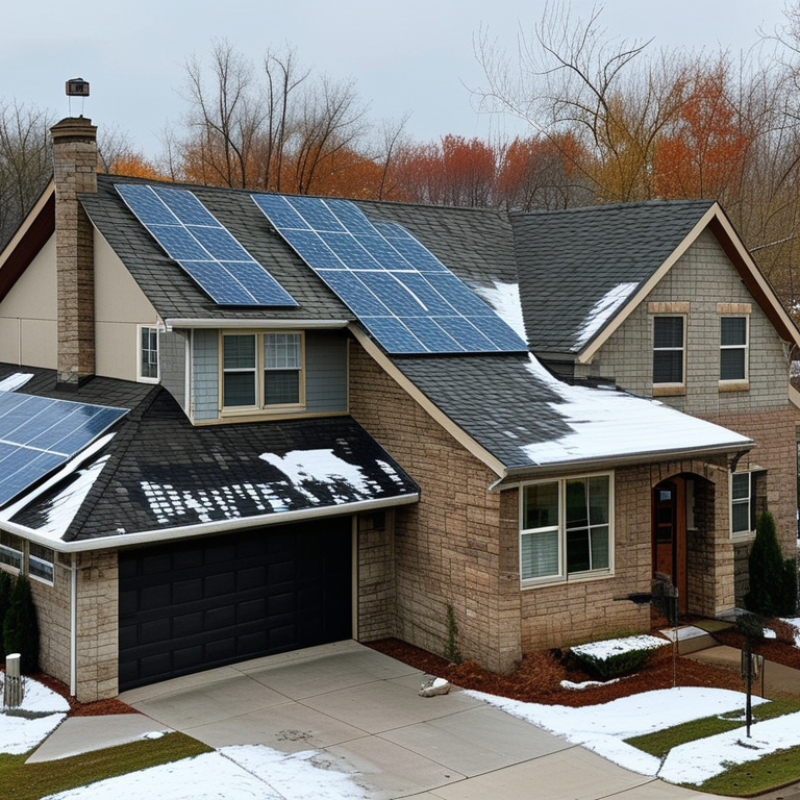
Illinois weather demands careful system design. Snow is usually temporary, but winter clouds reduce production. A south-facing roof remains useful, while unshaded west-facing roofs can improve late-afternoon output. Professional assessments should examine roof age, pitch, tree growth, electrical capacity, and local interconnection limits. NREL’s National Solar Radiation Database shows that Illinois receives moderate solar resources, not desert-level sunlight. That difference matters when estimating annual savings.
Battery storage may improve resilience during outages, especially in rural areas. However, batteries can raise project costs and may not pay back quickly for every household. A perfect system does not exist. Some estimates still overlook shading or future roof repairs. Homeowners should compare production models with utility bills, financing terms, warranty language, and Illinois incentive requirements. The U.S. Energy Information Administration and NREL provide reliable baseline data, but a site-specific engineering review remains essential.
Illinois homeowners can choose several solar energy systems in 2026. Rooftop photovoltaic panels remain the most common option for detached homes. They work well on unobstructed roofs with suitable sunlight exposure. South-facing roofs are helpful, but east- and west-facing surfaces can also produce useful electricity. A professional site assessment should check roof age, shading, snow load, and electrical capacity.
Battery-backed solar systems add storage for evening use or power interruptions. They can improve energy resilience, although their cost may not suit every household.
Ground-mounted systems offer better panel positioning when a roof has heavy shade or limited space. Community solar provides another path for renters and homeowners without suitable roofs. Subscribers receive credits for shared solar production, but availability and contract terms vary by utility territory.
Tips: Compare at least three written proposals. Ask about equipment warranties, maintenance, monitoring, and removal costs. Confirm permits, interconnection rules, and current Illinois incentives with qualified professionals. Do not assume the largest system is best; household usage, winter production, and future electricity needs matter. A battery may feel reassuring during a storm, yet its financial return can be slower than expected. That tradeoff deserves an honest review.
Choosing the best solar energy system for an Illinois home requires more than comparing panel wattage. Start with annual electricity use, roof direction, shading, and winter performance. Illinois receives roughly 4.0 to 4.5 peak sun hours daily, according to NREL’s National Solar Radiation Database. That resource is useful, but it does not remove local uncertainty. Snow, tree shadows, and cloudy weeks still affect production.
Ask each installer for a site-specific production estimate, not a generic promise. The NREL PVWatts calculator can independently test the estimate. Compare projected annual kilowatt-hours, system losses, inverter capacity, equipment warranties, and degradation assumptions. Illinois residential electricity prices have recently stayed near 16–17 cents per kilowatt-hour, according to the U.S. Energy Information Administration’s Electric Power Monthly. Small differences in production can therefore change payback noticeably. Look closely.
A strong proposal should explain Illinois Shines renewable energy credits, utility interconnection, and battery value without hiding assumptions. The Illinois Power Agency’s program documents show that credit values and requirements can change, so verify current rules before signing. Batteries may improve evening use and backup resilience, but they can lengthen payback. They are not automatically necessary. I would also inspect the roof’s remaining life, especially beneath older shingles. A cheaper system may become expensive after reroofing. Solar Market Insight reports from SEIA and Wood Mackenzie show continuing national solar growth, yet national averages cannot predict one Illinois roof. Local measurements matter more.
This chart shows representative long-term monthly peak sun hours for Illinois, based on regional solar-resource patterns used in residential photovoltaic planning. A south-facing roof with minimal shade generally performs best, while exact system production depends on location, roof orientation, tilt, shading, snow cover, equipment losses, and utility interconnection rules. Site-specific modeling should be completed before selecting a system size.
In 2026, an Illinois home solar system may cost about $18,000–$25,000 before incentives. This estimate fits a 6–8 kilowatt rooftop system, including installation and basic electrical work. Lawrence Berkeley National Laboratory reported a national median residential solar price near $3.1 per watt in its 2024 Tracking the Sun report. Roof age matters. Replacing shingles later can add unexpected costs.
Illinois incentives can reduce the purchase price significantly. Eligible homeowners may claim a federal tax credit of up to 30%, subject to current law, tax liability, and installation requirements. The Illinois Shines program also provides renewable energy credit payments, but values change by project year and category. The Illinois Power Agency publishes the relevant program details. Net-metering benefits depend on utility rules, system size, and application timing. Read the contract carefully.
Cash payments usually produce the clearest long-term savings. Solar loans preserve cash but add interest, fees, and possible lender requirements. Leases and power purchase agreements require less upfront money, yet they may complicate home sales. The U.S. Energy Information Administration reports that Illinois electricity prices have continued to vary by customer class and season. That makes savings highly site-specific. A shaded roof can disappoint. So can optimistic production estimates. Ask for hourly production modeling, equipment warranties, degradation assumptions, and a written explanation of every incentive.waswo
2026 Best Solar Energy Systems in Illinois?
In Illinois, system performance begins before installation. A qualified installer should inspect roof age, structural condition, shading, and electrical capacity. Local permits and utility interconnection approval are also required. Snow loads vary across the state, so mounting hardware needs proper engineering. A rushed roof inspection can create expensive problems later.
Good systems should face the strongest available sunlight and avoid shadows from chimneys, trees, and nearby buildings. South-facing roofs often perform well, but east-west layouts can suit some homes. Production estimates should reflect Illinois weather, seasonal cloud cover, and winter snow. A production estimate is still an estimate. That distinction matters.
Maintenance is usually simple, but it is not zero. Homeowners should review monitoring data each month and investigate sudden production drops. Professional inspections can check wiring, mounting points, seals, and electrical connections. Panels may need cleaning when pollen, dust, or bird deposits visibly reduce output. Heavy snow usually slides away, but scraping panels can cause damage. Do not climb onto a snowy roof.
Performance should be measured against the approved design, not against a neighbor’s system. Inverters, batteries, and roof equipment may require different service schedules. Keep installation records, warranties, inspection reports, and utility documents together. Even careful planning can miss a new tree’s future shade. A yearly review helps correct that oversight before it becomes costly.
| System Configuration | Best Use in Illinois | Typical Residential Size | Estimated Annual Production* | Installation Requirements | Performance Considerations | Maintenance Requirements |
|---|---|---|---|---|---|---|
| Grid-Tied Rooftop Solar | Homes with reliable utility service and suitable, mostly unshaded roof space. | 5–10 kW | Approximately 6,000–13,000 kWh | Roof structural review, electrical design, local permits, utility interconnection approval, and a utility-approved meter configuration. | South-facing arrays generally provide the highest annual yield. East- and west-facing arrays can also perform well, while shade, snow, and roof orientation reduce output. | Inspect the system about once a year, monitor production, check wiring and mounting points, and remove heavy debris. Illinois rainfall commonly provides natural panel cleaning. |
| Solar-plus-Storage System | Homes seeking backup power, greater evening energy use, or reduced exposure to outages. | 5–10 kW solar array with 10–20 kWh usable battery capacity | Solar output is approximately 6,000–13,000 kWh, before storage losses | All grid-tied requirements plus battery location, ventilation and temperature limits, fire-safety clearances, backup-load design, and additional electrical inspection. | Battery round-trip efficiency is commonly about 85–95%. Usable backup duration depends on battery size and the home's connected loads. | Review battery health reports, inspect equipment annually, keep required clearances unobstructed, and maintain indoor or code-compliant temperature conditions. |
| Ground-Mounted Solar | Properties with open land, limited roof area, or a roof orientation that creates substantial shading. | 6–12 kW | Approximately 7,200–15,600 kWh | Site survey, soil and foundation review, zoning approval where applicable, trenching for electrical conductors, fencing or access controls where required, and utility interconnection approval. | Tilt and orientation can be optimized more easily than on a roof. Row spacing must limit winter shading, and array output can be affected by snow accumulation and nearby vegetation. | Keep vegetation below and around the array, inspect foundations and racking annually, check underground conduit areas, and clear snow only with equipment approved for solar modules. |
| Small Solar System for Essential Loads | Apartments, small homes, cabins, or households prioritizing refrigeration, lighting, internet, and selected outlets. | 2–4 kW with optional 5–10 kWh battery | Approximately 2,400–5,200 kWh | Load analysis, a dedicated essential-load panel, code-compliant disconnects, permits, and either utility interconnection or an approved standalone design. | Prioritizing efficient appliances extends backup duration. High-demand loads such as electric heating, central air conditioning, and water heating may exceed system capacity. | Check battery state of charge, inspect connections annually, keep equipment dry and accessible, and test backup operation according to the system instructions. |
| High-Efficiency Roof Array for Limited Space | Homes with small roofs where annual energy demand is high relative to available installation area. | 4–8 kW | Approximately 4,800–10,400 kWh | Detailed shade analysis, roof condition assessment, careful layout around vents and setbacks, structural review, permits, and utility approval. | Modern crystalline-silicon modules typically lose about 0.3–0.5% of rated output per year. Inverters and module-level electronics should be selected for the roof's shade conditions. | Monitor for unusual output differences, inspect roof penetrations and flashing, remove leaves, and schedule professional electrical checks when faults occur. |
*Production figures are planning estimates based on typical Illinois solar conditions of roughly 1,200–1,300 kWh per installed kW per year. Actual results vary with location, roof tilt, azimuth, shading, weather, equipment losses, snow cover, system downtime, and utility limits. Final sizing should use a site-specific shade study, electricity-use analysis, structural review, and local permitting requirements.
Thank you for reaching out.
Your message has been received, and a member of the Bluestem Energy Solutions team will be in touch soon. We appreciate your interest and look forward to connecting.