How to Choose Clean Energy Solutions for Global Buyers?
Choosing clean energy solutions for global buyers is not a simple price comparison. A solar project in Kenya, a battery system in Germany, and a green hydrogen contract in Japan face different grid conditions, regulations, climates, and financing risks. Buyers need evidence beyond polished brochures. They should examine lifecycle emissions, supplier records, warranty terms, maintenance capacity, and end-of-life plans. A low purchase price can hide expensive replacements.
Fatih Birol, Executive Director of the International Energy Agency, has stated, “The clean energy transition is happening worldwide and it’s unstoppable. It’s not a question of ‘if’, it’s just a matter of ‘how soon’—and the sooner the better, for all our sakes.” His observation highlights the market’s direction, but it does not remove the need for careful purchasing. Each solution must fit the buyer’s location and operating reality. A remote factory may value spare-parts access more than a higher laboratory efficiency rating.
Experience also reveals uncomfortable gaps. Supplier data may be incomplete. Carbon claims may use different boundaries. Local installers may lack experience with advanced systems. These weaknesses deserve attention, not concealment. Buyers can reduce uncertainty through independent testing, site assessments, transparent contracts, and measurable performance guarantees. They should also ask what happens when the system underperforms.
The strongest clean energy solutions balance environmental impact, technical reliability, commercial value, and social responsibility. No checklist is perfect. Still, a disciplined evaluation can turn ambitious sustainability targets into dependable energy assets.

Defining Clean Energy Needs for Global Buyers
Defining Clean Energy Needs for Global Buyers
Global buyers should define the energy problem before selecting a technology. Start with the load. A factory running continuously needs firm supply, while an office may benefit from daytime solar generation. Measure hourly demand, peak loads, production schedules, and planned expansion. Monthly electricity totals can hide costly evening shortages.
The market is growing quickly. The International Energy Agency reported over $2 trillion in global clean-energy investment for 2024, nearly twice fossil-fuel investment. The IEA’s Renewables 2024 report also recorded almost 510 gigawatts of renewable capacity additions in 2023. These figures show momentum, not automatic suitability. Numbers can mislead. Buyers must check grid stability, permitting conditions, land availability, and local weather patterns.
Reliability needs a separate test. Compare battery duration, backup generation, transmission access, and response time during cloudy or windless periods. Procurement teams should also examine emissions accounting, certificate quality, equipment lifespan, recycling plans, and supplier financial resilience. The International Renewable Energy Agency reported 473 gigawatts of renewable capacity added in 2023, but its methodology differs from the IEA’s. That gap matters. Buyers should document each data source and avoid treating capacity as delivered electricity. A practical specification might require 24-hour matching, a defined emissions boundary, and quarterly performance evidence. It may feel slower. It reduces unpleasant surprises.
How to Choose Clean Energy Solutions for Global Buyers?
Defining Clean Energy Needs for Global Buyers
Solar PV and wind accounted for the vast majority of global renewable power capacity additions in 2023, indicating strong technology availability and deployment momentum. Global buyers should compare solutions by local resource quality, grid access, project scale, delivery time, lifecycle cost, and the reliability of the resulting power supply.
Source: International Renewable Energy Agency (IRENA), Renewable Capacity Statistics 2024. Values shown in gigawatts (GW).
Comparing Renewable Energy Technologies and Applications
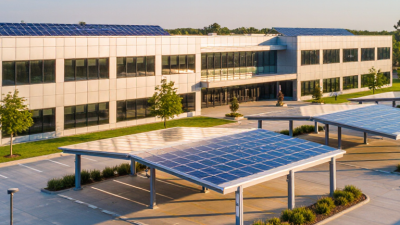
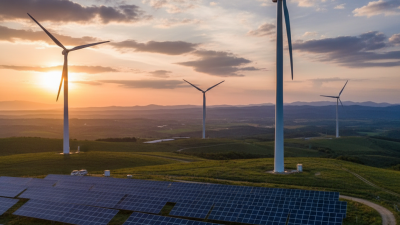
Global buyers should compare renewable technologies by application, not popularity. A rooftop solar system suits warehouses with daytime loads and unused roof space. Its output falls during clouds, winter, and evening demand. Wind power can serve larger sites, but requires measured wind speeds, transmission access, and community acceptance. The match matters.
Hydropower offers steadier generation where suitable rivers and reservoirs already exist. However, ecological impacts, drought exposure, and construction timelines need careful review. Geothermal energy provides stable heat and power, yet it depends on local geology and drilling expertise. For farms and factories, sustainably sourced biogas can convert organic waste into useful energy. Its feedstock supply may be less consistent than initial studies suggest.
Storage changes the comparison. Batteries can shift solar electricity into evening hours, while thermal storage supports industrial heat. Buyers should examine lifecycle emissions, safety records, maintenance skills, grid rules, and end-of-life plans. Independent resource assessments and audited performance data are more reliable than attractive projections. I would also test a small pilot before committing to a multi-country rollout. Early estimates are often too optimistic. A solution that works in one climate may fail beside a weak grid or scarce water.
Checking Certifications, Regulations, and Supply Chain Risks
How to Choose Clean Energy Solutions for Global Buyers?
A certificate should be checked, not simply collected. Ask for the certificate number, issuing body, covered product model, and expiry date. The scope must match the equipment in your quotation. A battery certificate may not cover its software, charger, or transport packaging. Standards such as IEC and ISO can support technical and quality reviews, but they do not replace local approval. Request recent test reports, factory audit records, and clear evidence of corrective actions.
Regulations vary by destination and product category. Check electrical safety rules, grid connection requirements, import documents, recycling duties, and chemical restrictions before signing. CE marking, for example, may require a documented conformity process rather than one laboratory report. Local authorities can also request translated manuals or specific emergency labels. A compliance checklist is useful, but it can become outdated quickly. Recheck it before shipment.
Supply chain risk needs physical verification. Review the origin of cells, metals, inverters, and critical electronic parts. Ask whether the supplier has qualified backup sources and realistic replacement timelines. Visit the production site when possible. Look for labeled pallets, calibrated testing equipment, and traceable batch records. Weather, port congestion, and sudden policy changes can delay delivery. Cybersecurity also matters when equipment connects to remote monitoring platforms. A certificate is not a guarantee. I would leave room for doubt, especially when documents look perfect but production data remains incomplete.
Selecting and Implementing the Best Clean Energy Solution
Selecting a clean energy solution starts with the site, not the sales brochure. Global buyers should map hourly demand, peak loads, roof strength, grid reliability, and local weather. A warehouse may need power at night, while solar generation peaks at noon. That mismatch changes the design. Collect at least twelve months of interval data when possible. Shorter records can mislead.
Compare options through total cost, emissions, safety, service access, and expected operating life. Solar, wind, storage, efficiency upgrades, and renewable electricity contracts solve different problems. Ask for tested performance data, warranty terms, degradation assumptions, and clear maintenance responsibilities. Check local permits, grid rules, labor requirements, and recycling pathways before ordering equipment. A battery room needs ventilation, fire controls, trained technicians, and documented emergency procedures. Do not treat compliance as paperwork.
Implementation works better as a staged project. Begin with an energy audit and a limited pilot, then measure output, downtime, temperature, and savings against a baseline. Use independent engineers to review calculations and commissioning records. The cheapest option is not always the most reliable. In some projects, optimistic weather models inflated expected savings. That mistake can damage trust and budgets. Leave room for repairs, changing tariffs, and future demand. A practical plan may feel less impressive, but operators can maintain it.