Top Solar Farm Construction Companies in China

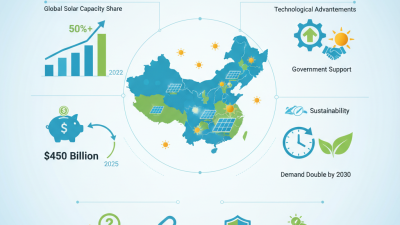
China’s solar market has moved from rapid expansion to a demanding test of project delivery. The National Energy Administration’s 2024 power-industry statistics report 277.17 GW of newly installed solar capacity. China’s cumulative installed solar capacity reached 886.66 GW by year-end. These figures show the scale of the opportunity. They do not, by themselves, prove that projects were built well.

The International Energy Agency’s Renewables 2024 report expects China to account for nearly 60% of global renewable capacity growth through 2030. That outlook makes solar farm construction more than panel installation. Contractors must coordinate site preparation, pile driving, tracker alignment, inverters, substations, and grid connection. On a vast site, a misplaced row or delayed transformer can disrupt the schedule. Small details matter.

This overview examines leading solar farm construction companies in China using practical criteria: utility-scale experience, engineering capability, safety and quality systems, procurement strength, and commissioning records. It also considers how firms adapt to varied terrain, weather, and grid conditions. Buyers should verify company claims against project references and independently available evidence. Capacity is not the same as dependable delivery. A ranking alone can miss that distinction.
Top Solar Farm Construction Companies in China

Overview of Solar Farm Construction in China

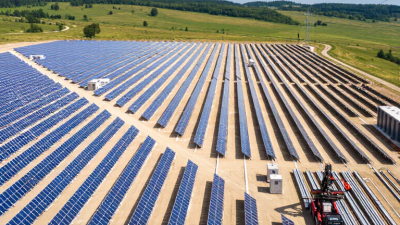
Solar farm construction in China depends on more than panel capacity. Projects may occupy flat inland fields, reclaimed industrial land, or areas with uneven terrain. Each setting changes foundation design, access roads, drainage, and installation pace. The ground decides. Before construction, teams typically assess soil strength, slope, flood exposure, and nearby grid connections. A site that looks clear from above may still contain soft ground or seasonal water channels.

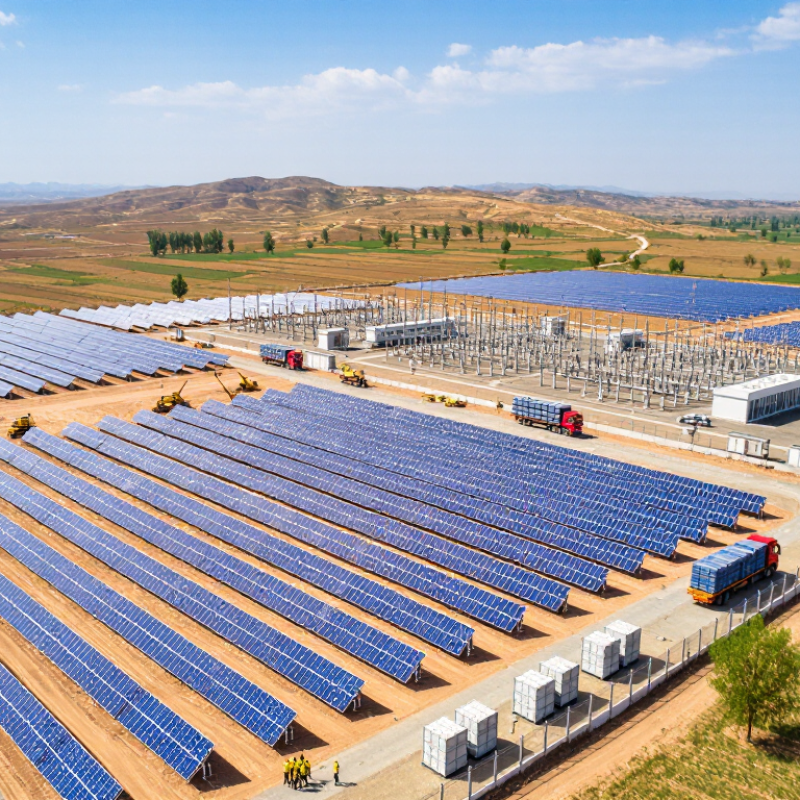
Construction usually moves through surveying, civil works, mounting structures, electrical installation, and testing. Crews need stable roads for delivery trucks and lifting equipment. On site, cable trenches must be protected from standing water, while support piles need consistent alignment.

Small errors matter. They can delay module installation or complicate later maintenance. Weather also shapes schedules: heat, rain, and strong winds affect both worker safety and equipment handling.

Grid access deserves attention early, because completed panels cannot deliver value without a practical connection plan. Developers and contractors must coordinate engineering, land preparation, equipment delivery, and utility requirements. Quality checks should cover connections, insulation, grounding, and system performance before commissioning. Yet forecasts are never perfect. Soil conditions or grid timelines may change after work begins, so flexible schedules and clear inspection records are useful. Construction plans can still underestimate local disruptions; that risk deserves honest review.

How Leading Solar Farm Construction Companies Are Identified

How Leading Solar Farm Construction Companies Are Identified

Identifying a capable solar farm construction company takes more than comparing project capacity. A large installation looks impressive on paper, but delivery records reveal more. Review completed projects, construction schedules, and whether systems performed as expected after grid connection. Ask for evidence, not just polished case studies. Useful details include site conditions, installed capacity, commissioning dates, and how delays were handled.

Technical depth matters. Strong teams can explain how they assess soil, drainage, wind exposure, equipment layout, and grid access before work begins. On site, look for clear inspection records, trained crews, and practical controls for lifting and electrical work. Small details count: cable routes should be documented, drainage channels should not collect sediment, and equipment should be checked before installation. It is not glamorous. It is essential.

Reliable companies also communicate openly about costs, procurement, and construction risks. Their schedules should allow for weather and supply disruptions, rather than assuming every week will go smoothly. Ask who manages quality checks and who responds when output falls short of expectations. Independent verification can help, though not every project publishes comparable data. That makes direct questions valuable—and sometimes the answers remain incomplete. A careful comparison should weigh evidence, local operating experience, and realistic commitments, not confident claims alone.

China’s Cumulative Solar PV Capacity, 2020–2024

A market-growth indicator for understanding the scale and development context in which solar farm construction companies operate.

Capacity is shown in gigawatts (GW). Source: China National Energy Administration (NEA), year-end cumulative installed solar power capacity figures.

Profiles of Major Solar Farm Construction Companies in China

China’s solar construction market includes state-backed power engineering contractors, specialist EPC firms, and regional construction groups. Their profiles differ in project scale and delivery focus. Large EPC teams typically coordinate site preparation, pile driving, module installation, cabling, and grid connection. Regional contractors may bring stronger knowledge of local terrain and permitting conditions. The National Energy Administration reported 277.17 gigawatts of newly installed solar capacity in China during 2024. That scale rewards disciplined scheduling, but installed capacity alone does not prove build quality.

For utility-scale projects, experienced contractors assess soil conditions before choosing foundations. A pile that works in firm ground may fail to suit soft or saline soils. Teams also manage inverter placement, drainage, access roads, and testing before handover. The IEA PVPS Trends 2024 report estimated at least 456 gigawatts of global photovoltaic installations in 2023, underscoring the pressure on supply chains and construction crews. Delays can arise from weather, equipment delivery, or grid access. Small details matter.

A useful profile should therefore examine more than a contractor’s project count. Buyers can compare engineering capacity, safety procedures, commissioning records, and experience with local conditions. Some firms integrate design and construction; others rely on specialist subcontractors for electrical work or foundations. That division can improve expertise, though it may complicate coordination. Public project records often reveal limited detail about defects or long-term performance, so rankings deserve caution. A well-built farm is judged years later, not only at handover.

Construction Services and Project Delivery Capabilities

Solar farm construction in China depends on disciplined coordination from site preparation through grid connection. Project teams typically align engineering, procurement, civil works, and electrical installation around a shared schedule. Before equipment arrives, survey crews check terrain, drainage paths, access roads, and soil conditions. A small elevation error can affect row spacing or require extra grading. Small details matter.

Construction services may include foundation installation, mounting structures, module placement, cabling, inverter stations, and substations. Experienced crews sequence these tasks to limit rework and protect installed equipment from dust, water, and vehicle traffic. Quality checks should be visible and documented: torque records, cable tests, insulation readings, and inspection notes help resolve issues before commissioning. Weather can still disrupt a careful plan.

Project delivery also depends on clear handovers between designers, contractors, and operators. Teams need current drawings, tracked material deliveries, and practical procedures for testing each system. Commissioning should verify electrical performance, protection settings, monitoring signals, and safe shutdown functions. A tidy dashboard is useful, but it cannot replace field checks. Some schedules remain optimistic; realistic allowances for inspections and repairs make delivery more dependable. Handover records should give operators usable information, not just a stack of files.

Industry Trends Shaping China’s Solar Farm Builders

China’s solar farm builders are scaling projects at an extraordinary pace. The National Energy Administration reported 886.7 gigawatts of installed solar capacity by the end of 2024, after roughly 277 gigawatts were added that year. The International Energy Agency’s Renewables 2024 report expects China to contribute nearly 60% of global renewable capacity growth through 2030. Scale changes the construction challenge. Crews must coordinate foundations, panel delivery, grid connections, and testing across vast sites, often under tight schedules.

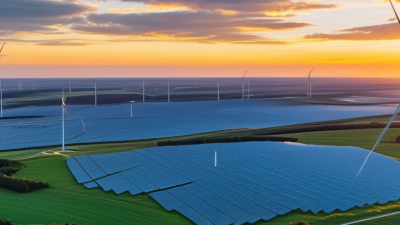
The next trend is building around grid limits, not just sunlight. Remote desert projects may need transmission upgrades and energy storage to reduce curtailment and shift electricity into evening demand. At a dusty site, this can mean planning cable routes and equipment access before rows of panels fill the ground. Grid access remains uneven. A strong project plan cannot fix every delay.

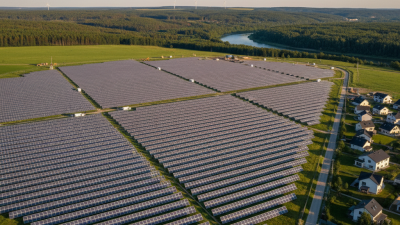
Land use is also shaping design choices. In some regions, projects combine solar generation with agriculture or locate panels over existing water infrastructure. These approaches may reduce competition for land, but they require careful site-specific engineering and maintenance planning. Forecasts often make construction look smoother than it is. Soil conditions change, deliveries slip, and connection dates move; builders still need contingency time, not just optimistic schedules.