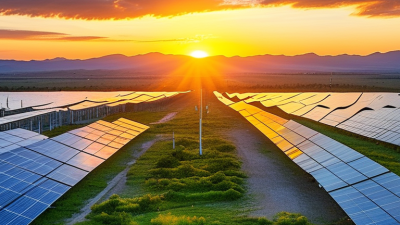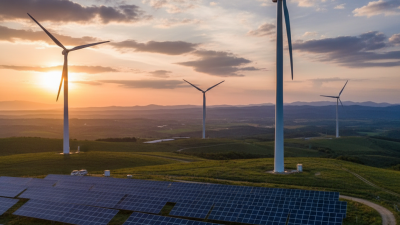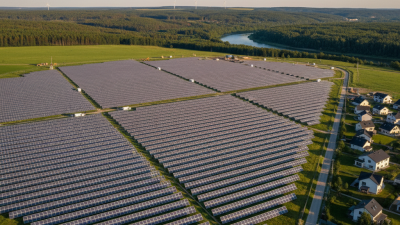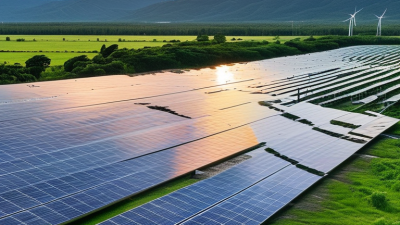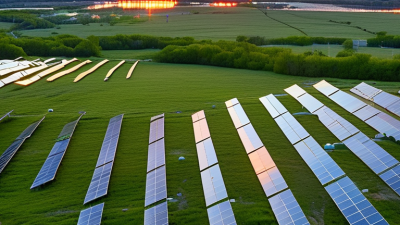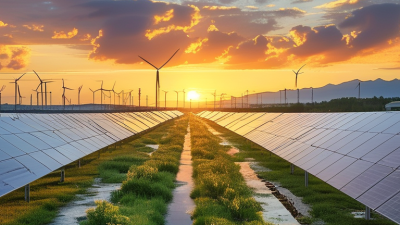
The landscape of solar projects is rapidly evolving. By 2026, global buyers will face new trends shaping the solar industry. These trends reflect a growing commitment to sustainability and renewable energy sources.
Solar projects are becoming increasingly complex. Technological advancements are at the forefront, enabling greater efficiency and lower costs. Buyers need to be aware of innovations, such as bifacial solar panels and advanced energy storage systems. These options are not just theoretical; they are now market realities influencing decision-making.
However, various challenges remain. Supply chain issues persist, potentially affecting project timelines. Buyers must also navigate regulatory environments that can vary widely. It’s crucial to stay informed and adaptable in this dynamic market. Emphasizing cooperation and dialogue with stakeholders will be essential for successful solar projects in the coming years.
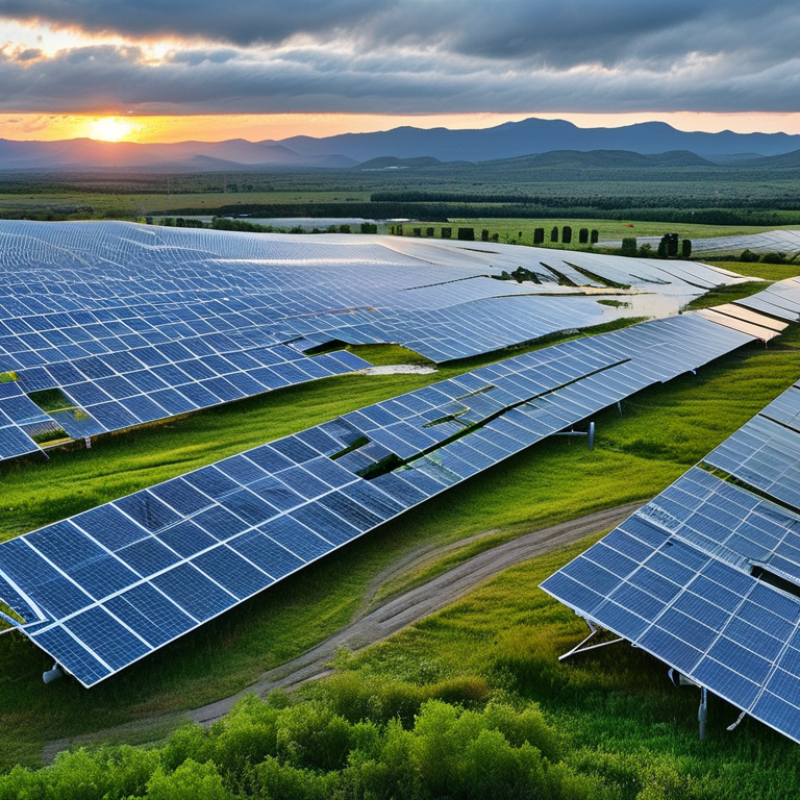
As we look toward 2026, the solar energy sector exhibits exciting developments. Emerging technologies are reshaping the landscape of solar projects. Innovators are focusing on enhanced efficiency levels in photovoltaic cells. These advancements promise to increase energy output while reducing installation space.
Perovskite solar cells are gaining attention. Their flexibility allows for unique applications. This technology is still being refined. Concerns about durability remain present. Researchers are optimistic about long-term stability solutions. Battery storage technologies are advancing too. Better energy storage will enable reliable power supply, even on cloudy days.
Smart grid integration is another key trend. It allows for optimized energy distribution and use. Homeowners will benefit from better energy management systems. These evolving technologies present opportunities and challenges. Stakeholders must stay informed and adaptable. The landscape is changing rapidly, and those who do not keep pace may fall behind.
The solar energy landscape is rapidly changing, influenced by numerous global market trends. Buyers in 2026 will notice a shift towards localized production and decentralized energy systems. Countries are investing in domestic solar manufacturing. This helps reduce supply chain risks and boosts local economies. In addition, smaller scale solar projects gain popularity. They appeal to residential users and small businesses looking for energy independence.
Innovations in technology are crucial for solar project success. Advancements in battery storage and energy efficiency drive down costs. This makes solar energy more accessible. Smart grids are also on the rise. They allow better integration of renewable energy sources. However, there are challenges. Not all regions have equal access to technology or funding. This disparity could hinder project implementation in some areas.
Regulatory environments will play a significant role. Governments are establishing new policies to promote solar adoption. Incentives such as tax breaks could attract more investment. Yet, these policies can change unpredictably. Buyers must stay adaptable to remain effective. Overall, the trends in 2026 suggest a more dynamic, though challenging, market for solar projects.
This chart illustrates the projected growth rates of various solar project types by 2026. The trends indicate a significant increase in residential and utility-scale solar, reflecting a shift towards renewable energy sources globally.
The solar energy market is evolving quickly. Financial incentives play a crucial role in this evolution. Many countries are introducing subsidy programs. These initiatives aim to lower the cost for solar equipment. Tax credits and rebates attract more investors to the sector.
Policies are also shifting. Governments are focusing on long-term sustainability. Incentives may vary by region, leading to uneven developments. Some places excel, while others lag behind. This disparity can make it challenging for global buyers. Understanding local policies is essential.
Moreover, potential risks exist. Investment changes can occur due to policy shifts. Buyers must remain vigilant about industry trends. The best opportunities may not always be in the most publicized areas. Engaging with local experts is invaluable. They can provide insights and guidance in navigating the complexities of solar investments.
| Country | Installed Capacity (GW) | Financial Incentives ($/kWh) | Policy Support (1-5 scale) | Projected Growth Rate (2026) |
|---|---|---|---|---|
| United States | 160 | 0.02 | 5 | 25% |
| China | 300 | 0.01 | 5 | 30% |
| Germany | 80 | 0.05 | 4 | 15% |
| India | 60 | 0.03 | 4 | 20% |
| Japan | 70 | 0.04 | 4 | 18% |
As the global demand for solar energy grows, sustainable practices are becoming essential in project development. Buyers are increasingly focused on minimizing their environmental impact. This includes utilizing recyclable materials and opting for local resources. Projects aiming for sustainability can reduce waste and promote local economies.
Another significant trend is the implementation of cutting-edge technology in solar installations. Innovations such as smart grids and energy storage solutions enhance efficiency. However, the integration of these technologies can pose challenges. There are instances where the cost and complexity deter project developers from adopting such advancements. Striking a balance between sustainability and technological integration remains a focus area.
The human element in solar project development also requires attention. Stakeholder engagement is crucial for successful outcomes. Developers need to communicate clearly with local communities and foster partnerships. Nevertheless, many projects still overlook local input, leading to resistance and complications. Engaging with communities not only promotes acceptance but can improve project design overall.
The solar energy sector stands at a pivotal moment. In 2026, buyers will face both challenges and opportunities in adopting solar solutions. One major challenge is the fluctuation in material costs. Solar panel production relies heavily on specific materials. Price volatility can hinder project financing and planning. Buyers must be prepared to navigate these market swings.
Additionally, varying regulations across regions impact solar adoption. Different countries have unique policies. These can affect project timelines and the feasibility of investments. Buyers should familiarize themselves with local laws to avoid potential pitfalls.
Tip: Stay informed about market trends. Engaging with industry reports and market analysis can provide valuable insights.
Another challenge is grid integration. Many existing grids struggle to accommodate renewable sources. This can limit the efficacy of solar projects. Buyers should consider investing in energy storage solutions to address these issues.
Tip: Evaluate storage options alongside solar investments. Long-term success often hinges on a reliable storage strategy.
As buyers prepare for 2026, understanding these complexities will be crucial. The solar energy landscape will continue to evolve, presenting both hurdles and pathways for growth.
Thank you for reaching out.
Your message has been received, and a member of the Bluestem Energy Solutions team will be in touch soon. We appreciate your interest and look forward to connecting.